
Joint ECM Degradation and Mobility Loss in Senior Pets
How ECM degradation contributes to joint problems and mobility loss in senior pets, with prevention strategies and supportive care options.

.png)
As our furry companions age, they develop a range of age-related conditions that affect their daily activities and overall quality of life. One of the most important pathobiological mechanisms driving joint aging and reduced mobility is the degradation of the extracellular matrix (ECM). Understanding the role of the ECM in maintaining joint health—and what happens when it begins to deteriorate can help pet owners make more informed and compassionate decisions when caring for senior pets.
What Is the Extracellular Matrix (ECM)?
The ECM is a physical and structural network of proteins that exists around the cells in all tissues, including those forming joints, muscles, ligaments and cartilage. It's not just a scaffold, it plays critical roles in tissue elasticity, load sharing, cell signaling and repair.
The ECM is constituted by a number of molecules:
- Collagens: Provide tensile strength.
- Proteoglycans: Attract and hold water, cushioning the tissue.
- Elastin: Allows tissue to rebound into shape after stretching.
- Glycosaminoglycans (GAGs): Provides hydration and shock absorption.
The health of joint structure relies on ECM equilibrium to keep them flexible, durable, and structurally sound. Yet, aging significantly impacts the quality of the ECM and its composition as well as functionality.
How Aging Leads to ECM Degradation
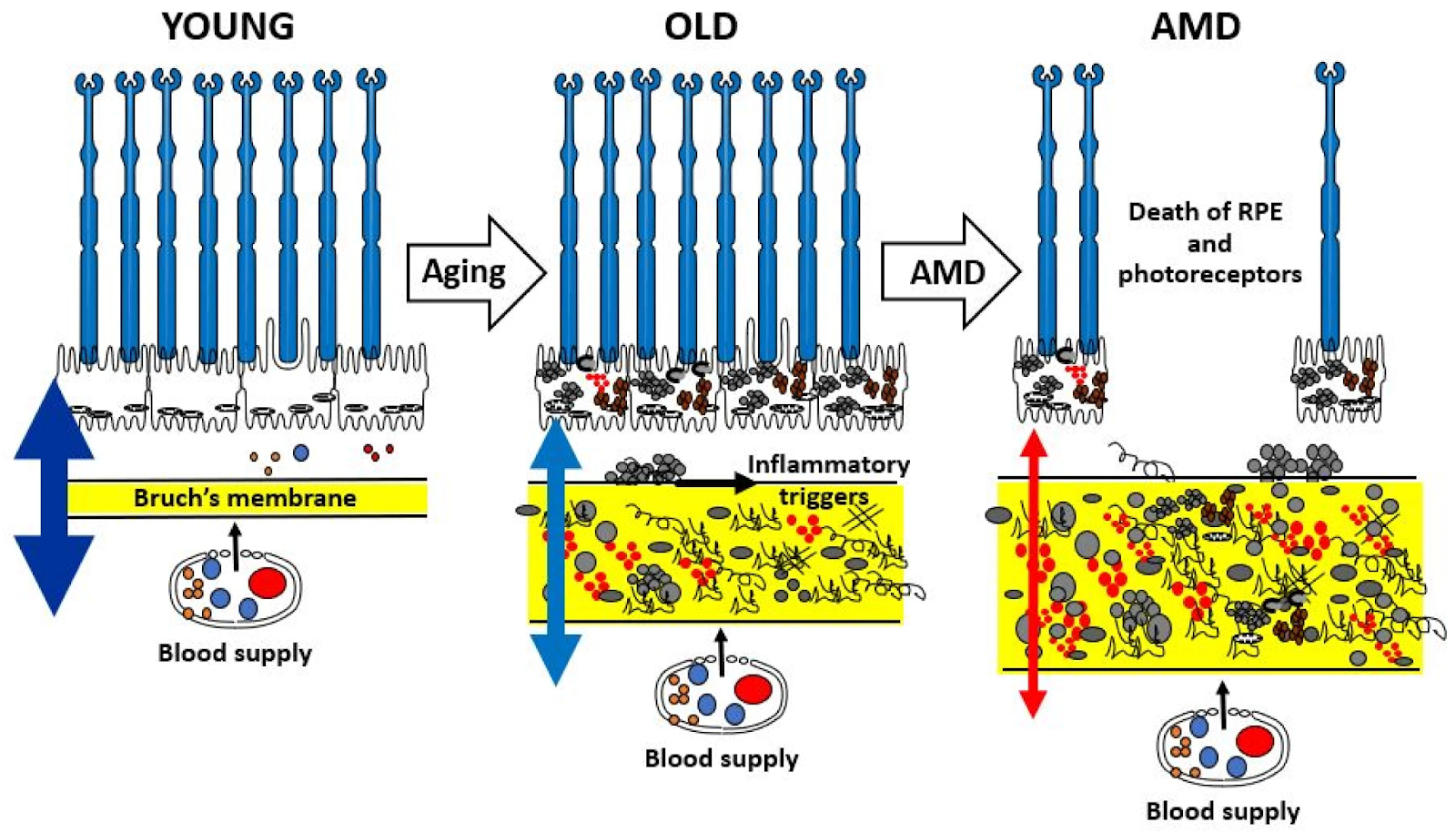
As pets age, their tissues suffer “biological wear and tear”, the ECM is no exception. Aging related ECM degradation results from several intertwined factors:
1. Structural Protein Changes
Crucial ECM factors, such as collagen and elastin, disintegrate with age. They indeed have long half-lives, but they are susceptible to posttranslational modifications including glycation, oxidation, and cross linking. These alterations produce stiffening, less elasticity and decreased resistance for the ECM.
2. Impaired ECM Turnover
In young tissue, ECM proteins are produced and broken down in a regulated process. Senescence hijacks this process such that there is a decrease in synthesis and impaired ECM degradation. The consequence is an accumulation of degenerated ECM components, leading to decreasing tissue function and elasticity.
3. Inflammation and Cellular Senescence
Older pets also tend to have high levels of inflammatory cytokines and senescent (aged cells). The combination of these results leads to ECM degradation and disruption of the normal repair processes. In addition, inflammation triggered enhanced expression of enzymes like MMPs that contribute to faster ECM breakdown.
4. Joint and Cartilage Decline
Most of the cushion between your bones, which is called cartilage, is ECM. When we get older, our chondrocytes (cartilage cells) don’t regenerate ECM components at a normal pace and our cartilage becomes thin, stiffness increases, so that there is bone on bone contact over time.
Together, these age-related mechanisms result in the inability of the ECM to accommodate biomechanical loads, leading to joint degeneration and impaired mobility.
ECM Degradation and Mobility Loss in Senior Pets
The most apparent consequence of ECM degradation in older pets is the development of locomotor dysfunction. Stiffness, pain and reduced mobility in the joint frequently result from the underlying ECM malfunctioning, especially occurring in cartilage, muscles, ligaments and tendons.
1. Articular Cartilage Degeneration
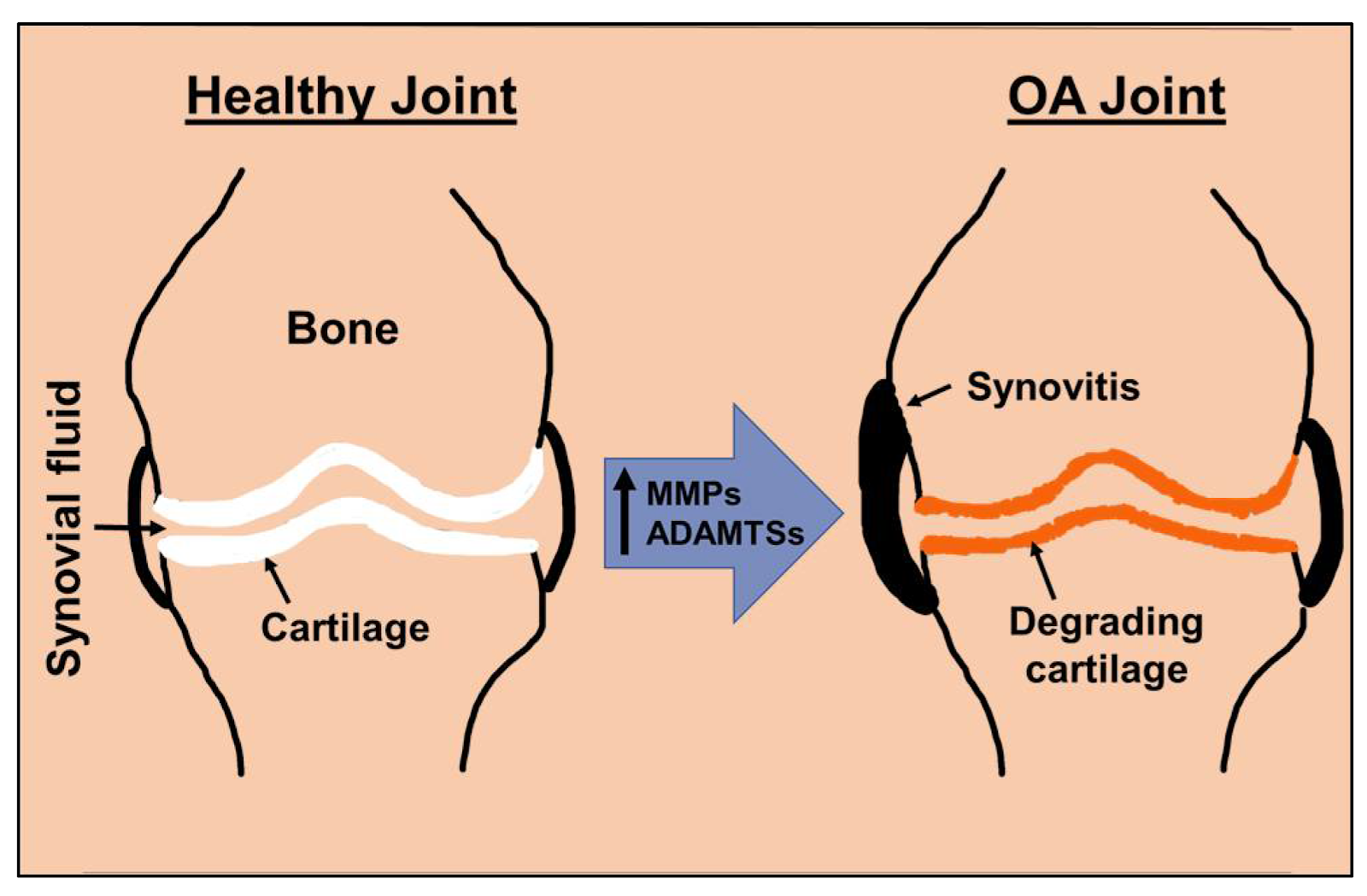
Articular cartilage mainly consists of ECM. When collagen and proteoglycans are removed or modified:
- Shock absorption decreases.
- Cartilage loses its elasticity and is liable to break.
- Surfaces of joints lack of lubrication and sliding function.
This is the hallmark feature of OA, one of the most frequent causes for lameness in middle aged or older dogs and cats. The age-related ECM degradation is a major cause of OA, which results in pain, inflammation and loss of movement.
2. Muscle Weakness and ECM Changes
Muscle is structurally supported by and transmits forces via the ECM. As ECM elements break down, muscles may lose their organization, ability to support movement and predisposition to injury. Old age can also decrease other ECM turnover markers, including tissue inhibitors of metalloproteinases (TIMPs) and matrix metalloproteinases (MMPs), contributing even more to its degradation.
3. Ligament and Tendon Dysfunction
Tendons and ligaments rely on a collagen-based ECM for tensile strength. Reduced joint stability and resilience combined with greater rigidity due to ECM degradation, leading to decreased flexibility and mobility, predisposing dermal tissues to strains, ruptures, and chronic pain.
Recognizing Mobility Loss in Senior Pets
Some common signs a senior dog or cat has mobility issues related to ECM are:
Hesitance to go upstairs or jump.
- Decreased play or exercise.
- Slowing down on walks.
- Limping or stiffness after rest.
- Difficulty rising from lying down.
Animals are natural hiders of discomfort so tiny shifts can go unnoticed until issues become severe. Although, tracking shifts in behavior and motion can be priceless for the purpose of early prediction.
Supporting Joint Health: Preventing and Managing ECM Degradation
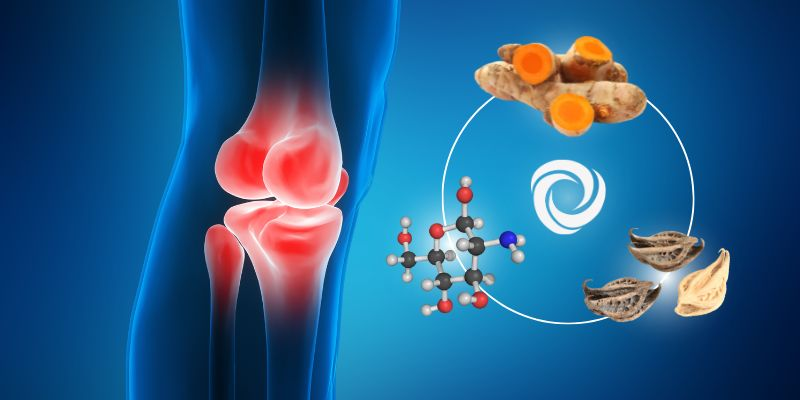
Although it is the natural aging process, there are things you can do to help defend your joints and slow down ageing of the ECM.
1. Balanced Nutrition and Supplements
- Omega-3 fats: Anti-inflammatory for promoting joint comfort.
- Glucosamine and chondroitin: Supplementary ingredients that may support the health of cartilage and ECM, although evidence is not strong for these compounds.
- Antioxidants: Vitamins C and E could attenuate ECM oxidative damage.
As always, on this or other supplements, check with your veterinarian first.
2. Controlled Exercise
Moderate non-impact activities like walking or swimming and low-impact exercise such as slow and gentle stretching exercises can keep muscles strong and flexible without undue stress on the weakened tissues of the joints.
3. Weight Management
Overweight increases the load of the joints resulting in overuse and increased wear of ECM already predisposed structures. One of the best ways to minimize joint degeneration is by keeping your weight under control.
4. Veterinary Treatments
- Joint injections (hyaluronic acid, PRP).
- Methods of Pain Relief (NSAIDs, laser therapy).
- Physical therapy tailored for pets.
Innovation in regenerative modalities like stem cell treatments hold the hope of aiding joint and mobility improvements through signaling pathways known to contribute to ECM repair.
Future Directions in ECM Research and Pet Care
New studies look at how:
- ECM stability and repair should be improved at molecular level.
- Regulate enzymes that degrade ECM.
- Stimulate growth factors for optimal tissue health.
- Employ regenerative treatments to turn back certain effects of aging.
Though a lot of the current research and protocol development remains at early stages, ECM degradation as a key player in mobility loss has brought pet owners greater awareness and an opportunity to intervene earlier.
Conclusion
Degenerative joint and mobility issues in older pets are related to the aging of their extracellular matrix. The balance between ECM synthesis and degradation is destroyed due to aging, resulting in the stiffness, inflammation and lack of tissue elastic recoil.
A knowledge of ECM degradation and its involvement in age-related joint disorders can help pet owners, and practitioners to recognize early signs, adopt preventive measures, treat the quality of senior pets through evidence-based therapies. Early response and continued support can help pet enjoy more active golden years instead of a slow decline.


More from KessGen Insights.
.webp)

.webp)
To unlock the full power of the ECM and pioneer a new era of regeneration.


.webp)
.png)
.webp)

.png)