
ECM Remodeling in Aging Animal Cells: Why Senior Pets Heal Differently?
Discover what happens to ECM in Animal Cells as it ages and how the process impacts healing in older animals.


The extracellular matrix (ECM) is the structural network that surrounds and supports animal cells. It allows cells to attach, migrate, and receive biochemical signals that guide repair after injury. As pets grow older, the ECM in animal cells undergoes natural changes, and these changes directly influence how the ECM regulates stem cell regeneration and tissue repair.
These age-related ECM changes help explain why senior pets often recover more slowly from wounds, injuries, or surgery. This article explains how ECM remodeling is altered with age and why ECM-based treatments can help older animals heal more effectively.
What is the ECM in Animal Cells?
The ECM is a combination of proteins and sugars that exist outside cells. The major components are collagen, elastin, fibronectin and proteoglycans. The ECM gives tissue shape. It also controls cell behavior.
Cells feel the stiffness and composition of ECM. That sensing in turn steers cell growth, migration and repair. In brief, the ECM is structure and message combined.
Major functions of the ECM in animal cells:
- Structural support for tissues
- Signalling to stem cells and leukocytes
- Directing the growth of new blood vessels (angiogenesis)
How the ECM Changes with Age?
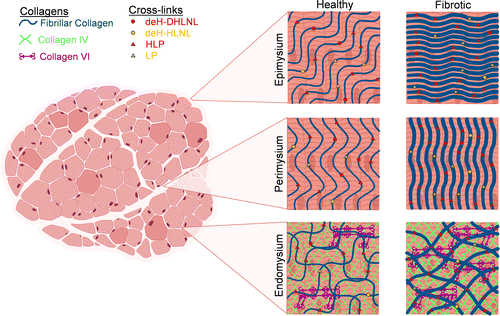
Ageing leads to various changes in the ECM in the animal cells. Some are chemical. Others are mechanical. These changes matter for healing.
1.Collagen becomes stiffer and cross-linked
The fibers of collagen become crowded, more closely packed together with age. A stiffened ECM changes the way that cells tug and slide. This serves to slow cellular influx into wounds.
2.Protease balance shifts (MMPs)
Extracellular breakdown (ECM) is catalyzed by MMPs. They are age-dependent in their behavior and regulation. Both too much and too little MMP activity is damaging to repair. Research indicates that age-related skin and cutaneous wounds exhibit distinct MMP profiles.
3.Less effective stem cell niches
The Extracellular Matrix (ECM) niche normally supports stem cell activity. However, an aged ECM leads to reduced stem cell function particularly in the musculoskeletal system. This decline decreases the tissue’s regenerative capacity.”
Why These Changes Make Senior Pets Heal Differently?
Healing phases change with modification of ECM in animal cells. Senior pets may show:
- Slower wound closure: Cells show up and spread at a slower pace. Delayed responses occur as ECM becomes stiffer and signaling is changed.
- Higher risk of chronic wounds: Bad remodeling and mismatches of proteases can prevent wounds from healing.
- More scarring or fibrosis: Rather than building new normal tissue, aged ECM is more likely to drive a non-functional dense scar.
- Weaker tissue strength: Even after healing, repaired tissue can end up weaker. Uncorrected, mis repaired ECM reduces tissue quality.
These biological differences help explain why ECM-based dressings outperform traditional wound care approaches in senior animals, particularly in chronic or slow-healing wounds.
These are not the only problems associated with skin. They are also felt in muscles, tendons and internal organs. For instance, repair of the heart following injury is influenced by aging as the ECM remodeling pathways are altered.
Verified Studies and What They Show?
Here are some important, peer-reviewed studies. They provide compelling evidence for ECM in animal cells.
1. The remodeling of extracellular matrix during wound healing: A role in inflammation and tissue repair (review, 2015) —details ECM functions in each phase of healing, including how remodeling is necessary for this normal process.
2. The Extracellular Matrix (ECM) and Wound Healing (2022) a straightforward review of what is in ECM and its signaling, and how scaffold scan help wounds heal.
3. The influence of animal donor age on the in vivo degradation of subcutaneously implanted extracellular matrix scaffolds (2012)— demonstrates that source animal age has effects on ECM remodeling in vivo.
4. New ECM dressing shows greater epithelialization in animals (AVMA, 2022) — demonstrates an ECM dressing provides enhanced Wound Closure and Histologic Repair Scores in animals.
ECM-Based Treatments for Older Pets

- ECM wound dressing: These are placed directly onto the wounds. Animal trials show more rapid epithelialization and improved histologic healing. In more advanced cases, ECM scaffolds used in veterinary wound care extend these principles beyond surface healing to support soft-tissue and other orthopedic repair.
- Biomaterials inspired by ECM: Artificial or hybrid scaffolds can simulate ECM cues. Newer materials are designed to tune stiffness and release growth factors.
- Targeting MMP balance: Some treatments aim to modulate protease activity to prevent over-degradation or fibrosis. Research suggests that adjusting MMP activity may improve healing in elderly tissues.
Note: The treatment of wound is subject to the type, age and species of pet.
Practical Tips for Pet Owners and Vets
There are simple strategies to help wounds heal better in older pets:
- Early veterinary care: Older animals need prompt assessment. Delays are associated with greater risk for chronic wounds.
- Keep wounds clean and protected: Minimize contamination and wound trauma.
- Consider ECM dressings or scaffolds: Consult your vet if ECM-based products are applicable. They can also hasten closure and enhance tissue quality.
- Manage inflammation and nutrition: Optimal nutrition and control of chronic inflammation are beneficial in ECM remodeling.
- Monitor closely: Older pets can transition from acute to chronic wounds more readily. Regular exams are a way to catch problems early.
Limitations and Ongoing Research
We still lack full answers. Most of the studies are in rodents or lab animals. Putting results into dogs, cats or other pets will require more work. Plus, donor age for ECM products does affect outcomes; therefore the source matters.
Although newer biomaterials are promising, long-term studies in veterinary patients are lacking. Investigators are also evaluating ECM scaffold architecture, processing techniques and biologics to enhance healing in aged animals.
Conclusion
The ECM in animal cells plays a central role in how tissues repair themselves. Aging alters both the structure and signaling of the ECM, slowing healing and increasing the risk of chronic wounds or scarring in senior pets.
ECM-based dressings and scaffolds have shown strong potential in veterinary studies, helping restore a healthier healing environment. If your senior pet has a wound, ask your veterinarian whether ECM-based options are suitable—they can significantly support healing and improve quality of life.


More from KessGen Insights.

.webp)



.webp)
To unlock the full power of the ECM and pioneer a new era of regeneration.


.webp)
.png)
.webp)

.png)