
ECM Scaffolds as Advanced Veterinary Wound Care Products: From Soft Tissue Repair to Orthopedic Support
Discover how ECM scaffolds are revolutionizing veterinary wound care products and helping to aid soft tissue healing and orthopedic repair.

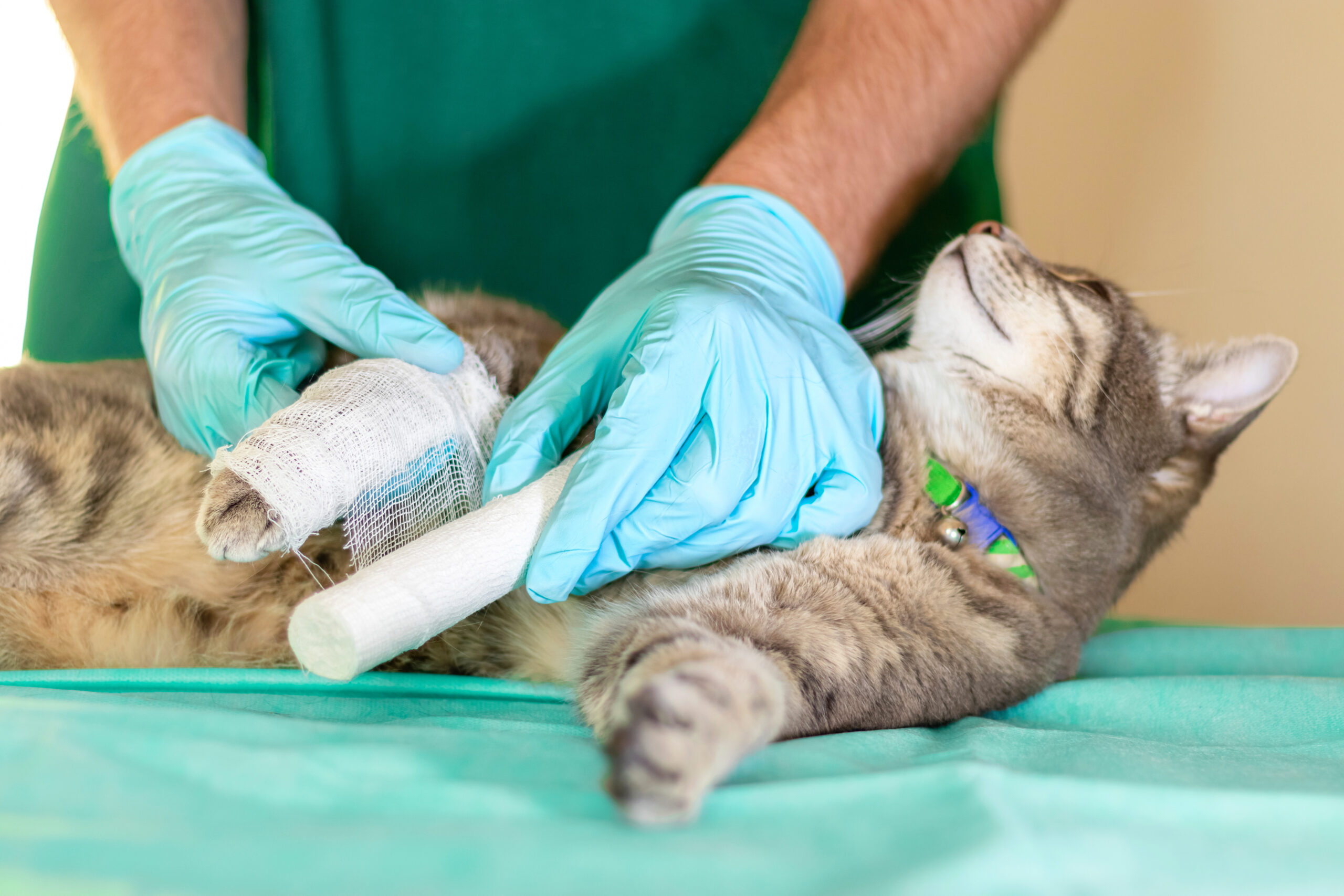
There are now more advanced tools available to veterinarians today than at any time in history. In those, veterinary wound care products based on extracellular matrix (ECM) scaffold are playing a successful role. These products are indicated for aiding in the healing process, minimizing complications, and providing support of both soft tissue and orthopedic repair. They are applied in routine clinical cases, injuries or highly challenging surgeries.
Here, in this article are some key things to know about what the products known as ECM scaffolds are, why they matter and how they work – and about the science now emerging on their benefits.
What Are ECM Scaffolds?

ECM scaffolds are derived from naturally occurring tissue such as porcine (pig), bovine (cow), or equine (horse) tissue. The tissue is meticulously processed to eliminate cells so that it becomes a clean, safe biological scaffold composed primarily of the following:
- Collagen
- Proteins
- Natural growth factors
This natural structure resembles a “framework” or “scaffold.” When it’s placed on a wound or surgical site, it supports the body’s naturally occurring cells and assists in building healthy tissue.
With ECM being natural and biocompatible, the body receives it well. This takes ECM to one of the most sophisticated veterinary wound care products in the marketplace.
Why ECM Is Becoming Popular in Veterinary Medicine?
Veterinarians are selecting ECM scaffolds more frequently due to the benefits:
Faster Healing
ECM also tricks the animal’s own cells by its natural texture. This aids new tissue to grow more quickly and efficiently.
Reduced Scarring
ECM is a regenerative, not just repair healing mechanism. This allows tissue to heal in a more natural fashion with fewer chronic problems.
Lower Risk of Infection
The scaffold protects open wounds and supports the body's ability to fend off infection.
Stronger Tissue Over Time
ECM promotes the regeneration of better-quality tissue. This is vital for athletic animals such as working dogs or performance horses.
These attributes render ECM as one of the most dependable veterinary wound care products for small and large animals alike.
How ECM Scaffolds Work Inside the Body?
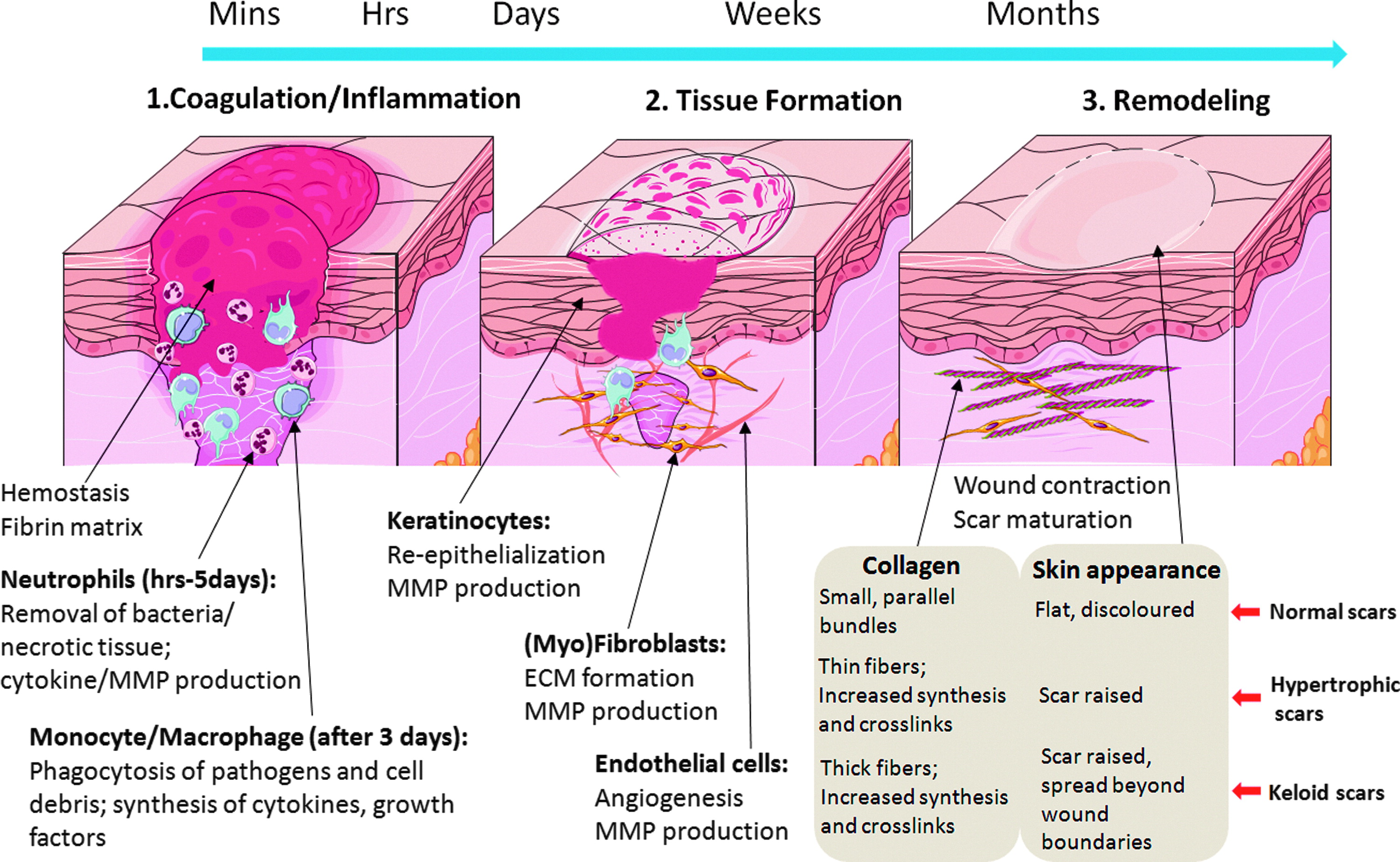
The healing process starts immediately after the ECM scaffold is implanted. Here is how it plays out:
Step1: Cell Attraction
The material draws normal cells in surrounding tissue.
Step2: Vascularization
New blood vessels begin forming. This is so important because blood carries oxygen and nutrition.
Step3: Remodeling
The scaffold gradually becomes incorporated with the animal’s tissue. The body also replaces the scaffold with new, healthy tissue.
Step4: Strengthening
In time, the new tissue is stronger and more functional than tissue created with typical bandaging or topical applications.
In fact, this healing phenomenon is why ECM scaffolds are classified as advanced veterinary wound care products.
ECM Scaffolds in Soft Tissue Repair
Soft tissues are among the most prevalent injuries in animals. They may come from:
- Trauma
- Bites
- Lacerations
- Burns
- Pressure wounds
- Surgical incisions
Each of them applies for ECM scaffolds.
- ECM for Open Wounds: The ECM protects the wound and promotes rapid growth of new tissue. It prevents complications such as overgrowth of granulation tissue, something that horses are prone to.
- ECM for Surgical Sites: Following tumor excision or reconstruction, ECM promotes cleaner healing and minimized tension on the wound margins.
- ECM for Burns: Burns destroy important tissue layers. The body's own ECM helps reform these layers in a natural, organized fashion.
ECM Scaffolds in Orthopedic Support
ECM is not limited to skin or soft tissue. Several veterinarians are currently applying ECM in orthopedic reconstructions including:
- Tendon injuries
- Ligament support
- Joint capsule reinforcement
- Filling bone defects (often mixed with other materials)
For instance, ECM may be encased around attorn tendon. The scaffold provides new cells with a place to attach and spread. The result is tissue that is stronger and more flexible, which can help preventer-injury.
A2022 review in Frontiers in Bioengineering and Biotechnology detailed how natural ECM-derived scaffolds help the healing process of tendons and ligaments. "It was very clear from the review that these sorts of scaffolds promoted new cell growth, helped to rebuild collagen and improved structural repair in damaged tissues.
This makes ECM one of the most versatile veterinary wound care products currently available for small animal and equineorthopedic surgery.
Proven Research and Verified Studies
Several reports encourage the application of ECM scaffolds in veterinary practice. Here are just a few of the most famous (and heavily cited) results:
Study1: ECM Hydrogels Are Biocompatible In Horses
A 2023 study in Frontiers in Bioengineering and Biotechnology that experimented on live horses using (an equine) tendon ECM hydrogel. The results of its biocompatibility had no serious response. This demonstrates that ECM scaffolds can be safely incorporated into large animal tissue, which has implications for the use of these scaffolds in equine wound and tendon therapy.
Study2: ECM Scaffolds Improve Skin Wound Healing
In2023, Pharmaceutics put out a review which was mentioned that ECM-based scaffolds can promote the wound healing in skin, through re-epithelialization process, reducing inflammation and promoting angiogenesis activities. This therefore, makes ECM a good choice for advanced veterinary wound care products .
These studies demonstrate that ECM scaffolds are not only safe – they have scientific data to support their use. This further solidifies their position within the most innovative veterinary wound care solutions available to date.
Comparing ECM to Traditional Veterinary Wound Care Products

Traditional wound products include:
- Bandages
- Hydrogel
- Antimicrobial creams
- Collagen sponges
- Foam dressings
All these products help protect and maintain hydration, but they won’t guide the body into regenerative healing.
In contrast, ECM:
- Provides structure
- Contains natural proteins
- Supports cell migration
- Encourages tissue reconstruction
This turns ECM from a bandage into a biological tool that helps create new tissue.
For these reasons ECM scaffolds are being proposed as top of the line veterinary wound care products.
Why ECM Scaffolds Are the Future of Veterinary Healing?
Veterinarians today want tools that:
- Speed up recovery
- Lower risk of complications
- Reduce scarring
- Support long-term health
- Work for both simple and complex cases
The ECM scaffolds do have all of this. They enhance the speed by which animals return to comfort and mobility, making these one of the most advanced veterinary wound care products.
With further investigation, we can expect ECM technology to become a routine part of general and specialty veterinary treatment.
Conclusion
ECM scaffolds are providing a paradigm shift in veterinary medicine. They provide natural healing, tissue quality is better and any soft tissue or orthopedic injuries can benefit as well. With scientific research and strong clinical success, ECM is in a class of its own compared to other advanced veterinary wound care.
Veterinarians now have a powerful and effective treatment option when managing trauma wounds, surgical incisions and tendon injuries. ECM scaffolds will continue to be a major part of advancements in technology for the benefit of animal health and recovery into the future.
If you want to elevate healing outcomes with advanced ECM scaffold technology, discover how KessGen’s science-backed solutions are reshaping both soft-tissue and orthopedic repair in modern veterinary practice.


More from KessGen Insights.

.webp)

.webp)
To unlock the full power of the ECM and pioneer a new era of regeneration.


.webp)
.png)
.webp)

.png)