Why ECM Signals Regeneration Instead of Scar Formation in Veterinary Healing
Find out how veterinary healing teaches the ECM to signal regeneration instead of scarring.

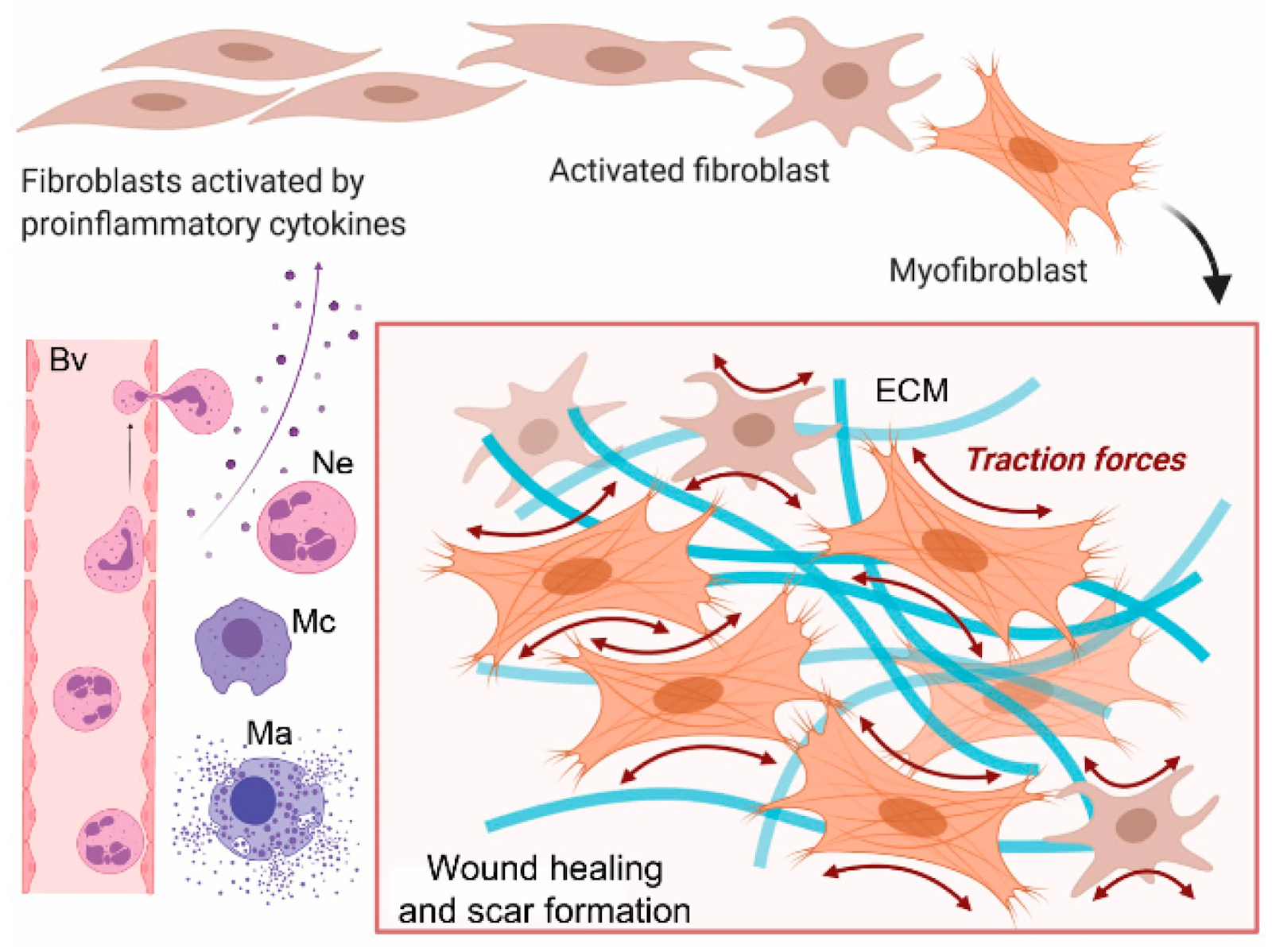
Veterinary Healing has really come a long way. Better surgery, antibiotics and wound care have saved many animal lives. But many wounds still do heal with scars.
Scars are different from healthy tissue. They can be rigid and weak, and sometimes painful. Scars in some animals may limit movement. And they can impact performance, comfort and quality of life.
But healing is not just about closing a wound. It’s also about how the body repairs tissue. A critical participant in this process is the ECM. The ECM does more than simply support the cells. It sends out signals that help guide healing, resulting in either regeneration or scarring.
What Is the Extracellular Matrix (ECM)?
The extracellular matrix is the substance around cells. It is present in skin, muscle, tendons, organs and bones.
ECM is made of:
- Collagen
- Elastin
- Glycoproteins
- Proteoglycans
- Bound growth factors
These constituents make a kind of scaffold. Cells attach to this scaffold. In normal tissue, ECM remains in homeostasis. There is a rapid change of ECM when injury occurs. The old matrix breaks down and new matrix forms to help direct repair. It is a process that has profound repercussions as far as veterinary healing is concerned.
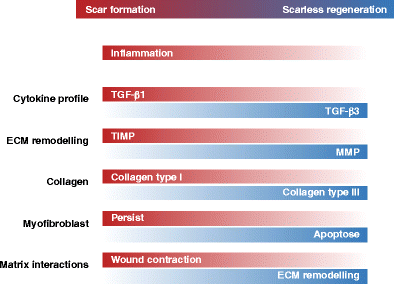
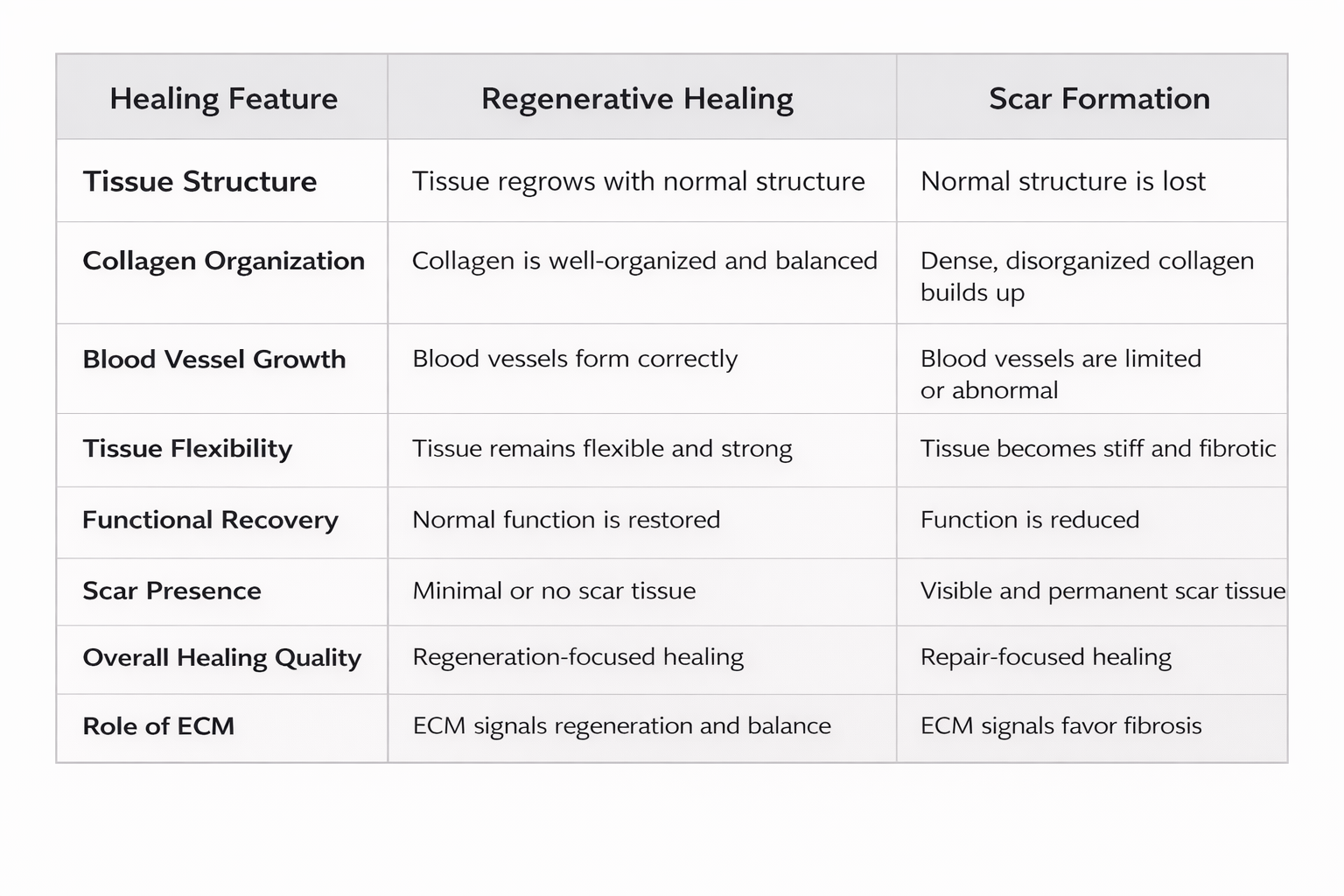
The Difference Between Regeneration and Scar Formation in Veterinary Healing
How Traditional Healing Leads to Scars
Healing can occur along these lines in many of the wounds produced by animals:
- Injury causes inflammation
- Fibroblasts become overactive
- Excess collagen is produced
- Collagen fibers become disorganized
- Scar formation occurs
This reaction is rapid but imprecise. Closure is generally supported by conventional wound care. But tissue does not follow its lead and that is where the use of ECM comes to the rescue for veterinary healing.
How ECM Signals Regeneration
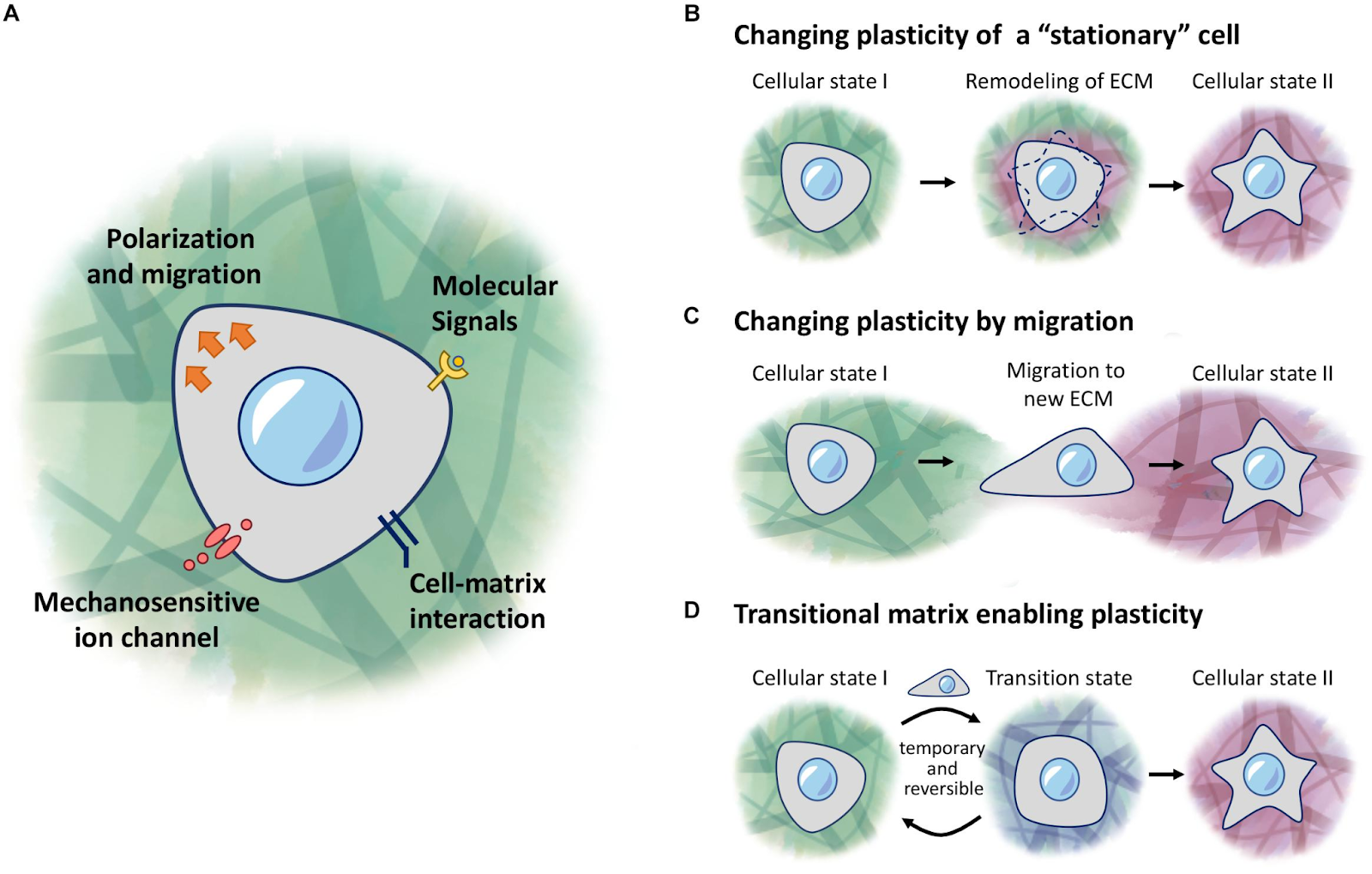
ECM actively communicates with cells. It relies on chemical cues and physical form. These signals dictate behavior on part of the cells.
The following are the primary mechanisms by which ECM can support regeneration rather than excessive scarring.
1. ECM Controls the Immune Response
Inflammation is necessary for healing. But too much inflammation leads to scarring. Macrophages are immune cells that promote healing.
They come in two main types:
- M1 macrophages: cause inflammation
- M2 macrophages: help repair and regenerate
A healthy ECM promotes a shift toward macrophage activity associated with repair. This reduces chronic inflammation. It also helps prevent excess collagen production.
2. ECM Releases Growth Factors Slowly
Growth factors regulate the growth and movement of cells.
Examples include:
- VEGF (blood vessel growth)
- FGF (cell proliferation)
- TGF-β (matrix remodeling)
Thus, these factors are naturally held by the ECM. They gradually are given off as the wound heals.
This controlled release is important. Uncontrolled or excessive growth factor signaling can contribute to fibrosis. Balanced release supports organized regeneration. Materials derived from ECM replicate this process. This is one of the reasons that they enhance veterinary healing results.
3. ECM Provides Physical Guidance to Cells
Cells listen to the physical environment. They can tell how stiff something is, how aligned it is or the texture of its surface.
Healthy ECM:
- Has flexible strength
- Guides cell movement
- Aligns collagen fibers properly
ECM from an area of scarring was compared with ECM from a normal tissue and showed increased stiffness and disarray. This stiffness keeps fibroblasts active leading to more scarring.
Regenerative ECMs replicate native tissue mechanics. They assist cells in rebuilding tissue in the proper arrangement.
4. ECM Supports Stem and Progenitor Cells
The body contains repair cells. These are the stem and progenitor cells.
ECM provides signals that:
- Attract these cells
- Help them survive
- Guide their differentiation
This is done with no external cells introduced as the body has its own repair system.
Lessons from Scarless Fetal Healing
Fetal wounds heal without scars. This is something that has long been studied.
Fetal ECM differ from adult ECM. It has:
- Higher hyaluronic acid
- Different collagen ratios
- Unique growth factor balance
These features reduce inflammation. They support near-perfect tissue regeneration. Current ECM-based therapies attempt to mimic these characteristics. This helps promote fetal-like healing responses in adult animals.
ECM Applications in Veterinary Healing
ECM-based therapies are increasingly used in veterinary medicine. They facilitate healing in a wide variety of wound types.
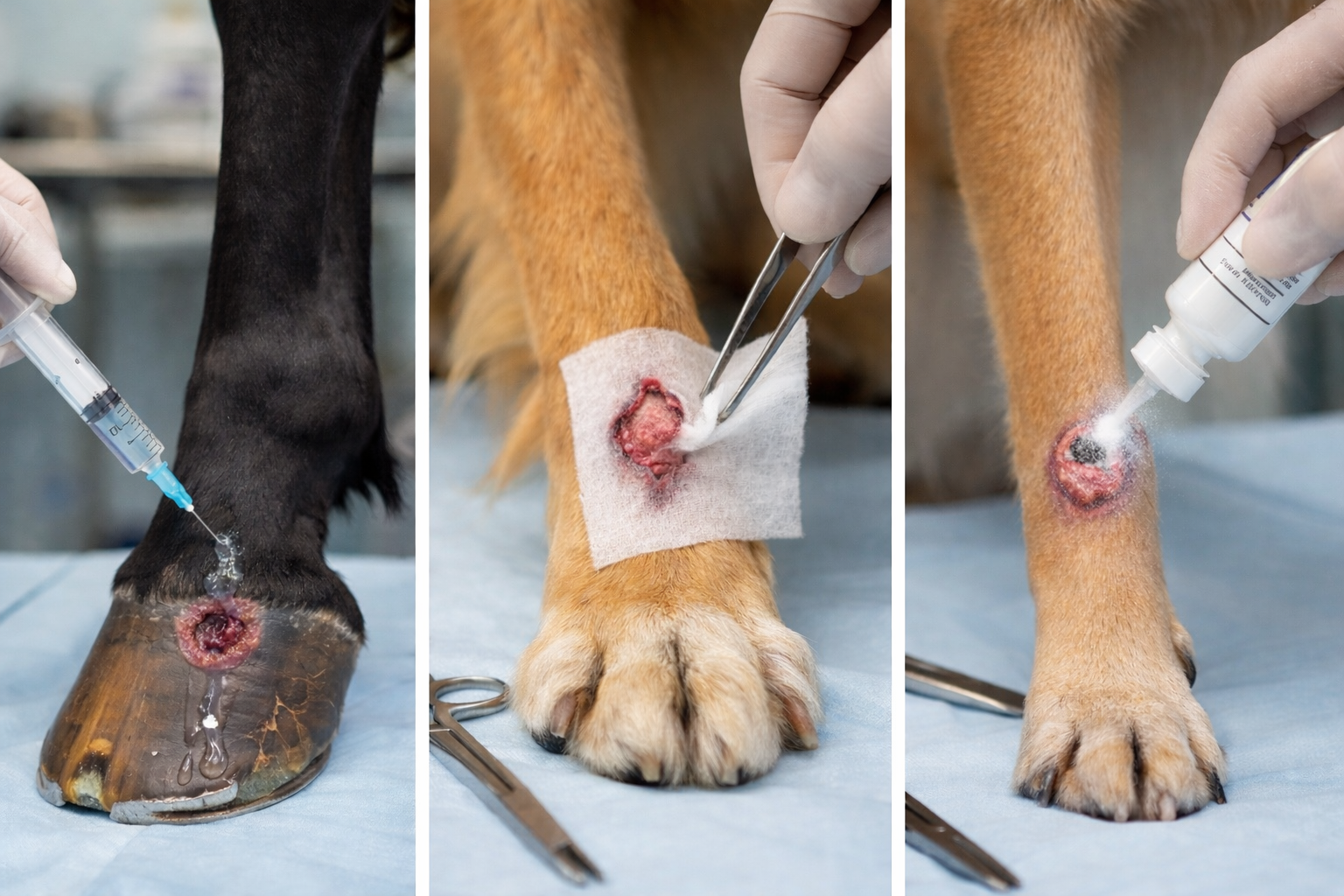
1. Decellularized ECM Dressings
They are constructed from organic tissues. Cells are removed. Only the matrix remains.
Benefits include:
- Reduced inflammation
- Faster epithelialization
- Better tissue organization
They are used for:
- Chronic wounds
- Traumatic injuries
- Surgical sites
2. ECM Hydrogels
Hydrogels are injectable ECM materials. They fill irregular wounds easily.
They are useful for:
- Deep tissue injuries
- Pressure points
- Hard-to-bandage areas
Hydrogels are a great environment for cells to move in. They also promote the development of blood vessels.
3. ECM with Cell or Drug Therapy
Some treatments combine ECM with:
- Stem cells
- Platelet-rich plasma
- Antimicrobials
ECM enhances the survival and function of cells. This synergistic combination optimizes veterinary healing in more difficult cases.
Scientific Evidence Supporting ECM Use
Several studies support ECM-based healing:
- According to a study in Frontiers in Bioengineering & Biotechnology, ECM scaffolds drive macrophages towards a healing phenotype.
- Evidence at the fetal wound healing research describes how ECM composition avoids scaring.
- Reviews in MDPI Materials journal verify that ECM dressings induce orderly skin regeneration.
These works as well as other studies provide evidence that ECM is biologically active. It does not just fill space. It directs healing.
Important Considerations for Veterinarians
And, although ECM is potent, it is not magic. Success depends on correct use.
Veterinarians should consider:
- Wound type
- Infection control
- Mechanical stress
- Product quality
ECM is most effective when paired with quality clinical care. It facilitates healing but is not a substitute for basics.
Limitations and Ongoing Research
ECM therapies are still evolving. Current challenges include:
- Cost
- Product variation
- Limited large veterinary trials
More research is ongoing. The more evidence that accumulates, the more ECM will be available.
The Future of Veterinary Healing
Veterinary Healing is evolving from 'repair' into opening the floodgates of regeneration.
ECM is leading this change.
Instead of asking: “How quickly can this wound heal?”
We now ask: “Can this tissue recover well enough?
ECM based strategies assist animals to heal more effectively.
- They reduce scars.
- They restore function.
- They improve quality of life.
Conclusion
The extracellular matrix is not an inert structure. It plays an active role in guiding the healing process. By regulating inflammation, controlling growth factor activity, and influencing cell behavior, the ECM helps shift healing toward regeneration rather than scarring.
This makes ECM a highly effective supportive approach in veterinary healing.
As research continues to advance, ECM-derived therapies are expected to become a foundational part of animal care. They offer a more natural, effective, and regenerative path forward for veterinary medicine.


More from KessGen Insights.

.webp)

.webp)
To unlock the full power of the ECM and pioneer a new era of regeneration.


.webp)
.png)
.webp)

.png)