The Role of ECM in Veterinary Wound Healing for Large Animal Surgical Wounds
ECM scaffolds are advancing veterinary wound healing in large animal surgery for enhanced tissue repair, fewer complications, and faster recovery.

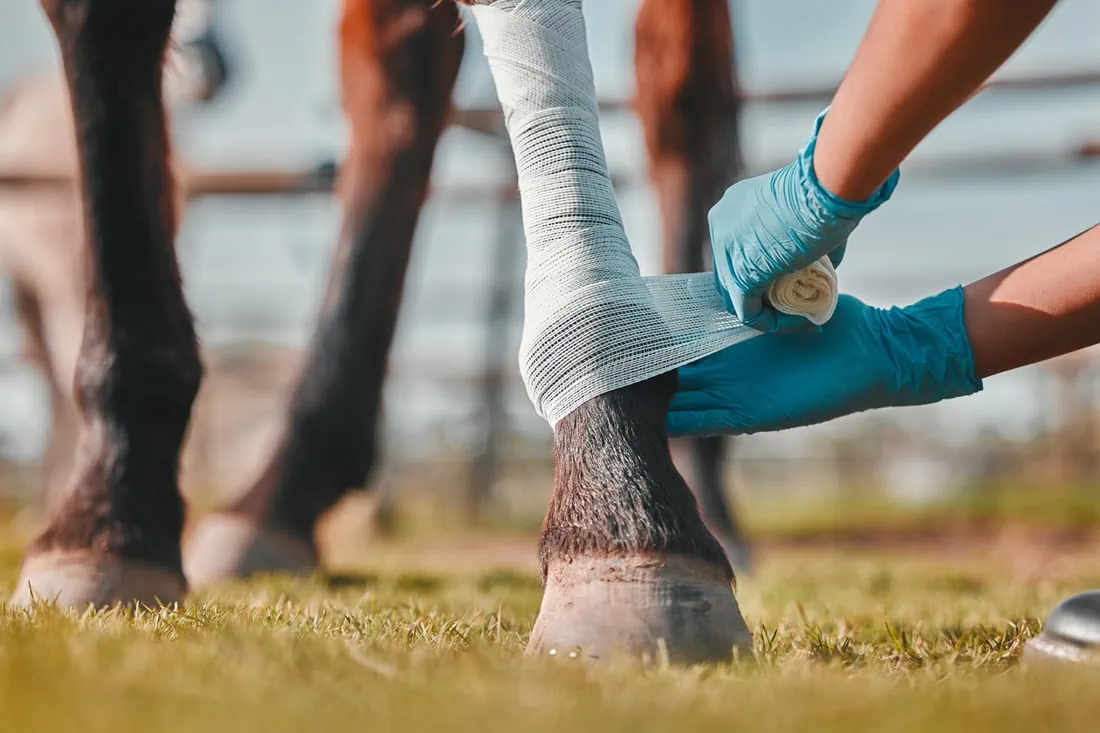
Surgical wounds in large animals are notoriously challenging to manage. Horses, cattle, and other big animals are constantly in motion, and their injuries tend to be larger, deeper, and slower to heal. Because of this, veterinarians are always searching for better ways to support effective wound healing.
One strategy holds promise: the use of extracellular matrix (ECM). ECM scaffolds help wounds heal faster and stronger. They steer the body toward regrowing actual tissue, not just scar tissue.
This article discusses what ECM is, how it works, and what the research says. It also explains why ECM is becoming popular in most animal surgeries.
What Is ECM?
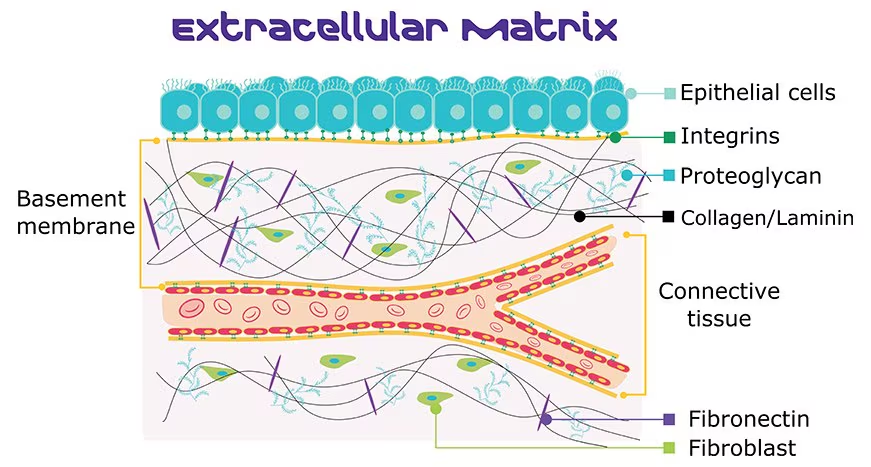
The ECM is a natural protein network in all tissues. It surrounds and supports cells, providing essential structural stability. It consists of collagen, elastin, glycoproteins and endogenous growth stimuli.
When there is an injury, ECM becomes disrupted. The body then attempts to rebuild it. But this healing can besluggish, or fail altogether, in large surgical wounds.
An ECM scaffold provides the wound with a “pre-fabricated” framework. This assists cells in adhering, growing and regenerating healthy tissue.
How ECM Helps in Veterinary Wound Healing?
ECM scaffolds help in wound healing by:
- Creating a support structure
- Aiding cells in infiltrating the wound
- Promoting the growth of new blood vessels
- Reducing inflammation
- Helping the body build organized tissue
These are attributes that make ECM an attractive material in veterinary wound healing and particularly large animal surgical wounds.
Why Do Large Animal Surgical Wounds Need ECM?
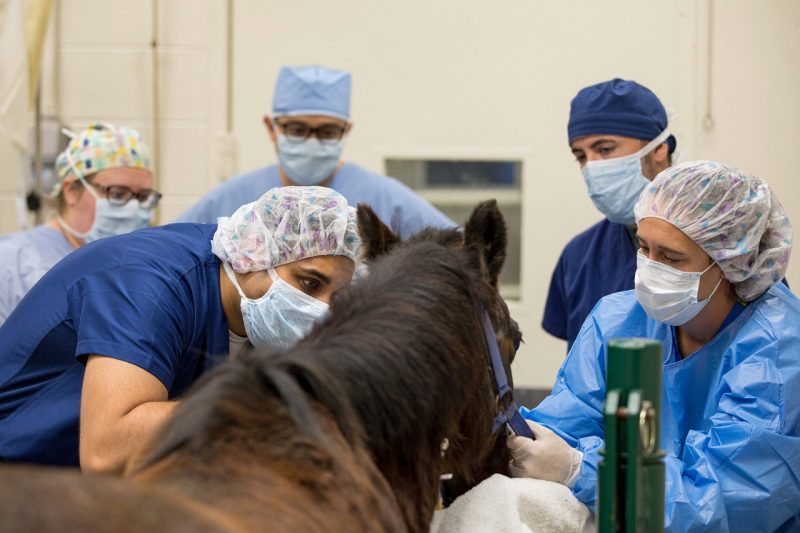
Large animals pose specific issues for healing:
- Wounds are often big
- Tension and movement disturb healing
- Infection risk is high
- The tissue could be weakened or scarred during healing
ECM supports veterinary wound healing through:
- Providing stronger support
- Reducing wound reopening
- Helping the wound close faster
- Improving tissue strength
- Reducing scarring
- Promoting natural tissue regrowth
This may have beneficial effects on the healing of surgical wounds in horses, cattle, and large animals.
How Veterinarians Can Use ECM in Large Animals?
1.Prepare the Wound Properly
Clean the wound and debride." ECM is most effective when used on a healthy wound bed.
2.Choose the Right ECM Form
- Sheets for large flat wounds
- Hydrogels for uneven areas
- Powders for deep or ulcer-penetrating injuries
3.Secure the ECM Well
For the locomotive animal, to prevent displacement, use, if necessary, an assistant of suture or staples or a bandage.
4.Combine ECM with Standard Care
Employ ECM in conjunction with antibiotics, sterile technique, and appropriate bandaging.
5.Monitor Healing
Watch for:
- Granulation formation
- Skin regrowth
- Infection signs
- Tissue strength
6. Consider Cost vs Benefit
ECM may cost more, but can prevent complications and speed healing — especially for valuable animals.
Types of ECM Used in Wound Care
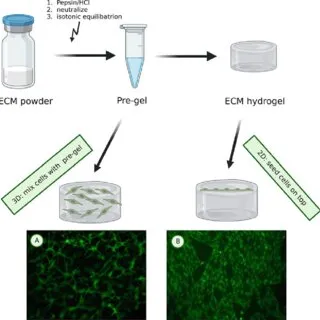
Various ECM products have been used for veterinary wound healing:
- Porcine Small Intestinal Submucosa (SIS-ECM): SIS-ECM forms one of the most utilized ECM materials. It contains natural collagen and growth proteins.
- Decellularized Dermal or Soft Tissue ECM: The dermal or soft-tissue extracellular matrix. It assists the process of regeneration and reduces scarring.
The ECM is offered as sheets, powders, and hydrogels. Veterinarians can choose which form is most appropriate for a given wound size and depth.
Scientific Studies Supporting ECM in Veterinary Wound Healing
1.ECM accelerates dog wound healing
Ina 2022 experiment, dogs had full-thickness wounds. Some were dressed with ECM, and some were not.
Results:
- Faster healing
- Better tissue repair
- Faster skin regrowth
This justifies the application of ECM in veterinary wound healing.
2.ECM enhances the quality of tissue and minimizes scarring
ECM matrix in pigs revealed that:
- Faster granulation
- More blood vessel growth
- Better collagen and elastin structure
This essentially means that ECM helps the tissue to heal in a manner more similar to normal skin.
3.ECM accelerates slow-healing wounds
A systematic review concluded that decellularized ECM can:
- Speed re-epithelialization by 20–50%
- Reduce curing time up to 40%
It is significant in large animals, where healing of cuts tends to be slow.
4.ECM combined with growth factors increases regeneration
Similar effects are seen in the essential role of ECM with growth factors to promote regeneration
In 2023, a study involved ECM with hydrogel and mesenchymal stem-cell secretomes.
It produced:
- Faster cell movement
- More blood vessels
- Thicker healing tissue
- Strong collagen
This would argue that the ECM cansupport profound and complex healing.
Limitations of ECMin Veterinary Wound Healing
- More research is needed in large species, such as horses and cattle.
- A few immune reactions are also a possibility, though less common.
- ECM quality varies between brands.
- ECM will not cure deficiencies in nutrition, infection, or bad wound care.
Yet ECM is considered a powerful tool when applied properly in veterinary wound healing.
Why Should ECM Expandin Large Animal Surgery?
And ECM is a regenerative approac hinstantly. Not only does it close the wound — it actually helps real tissue heal.
Benefits include:
- Faster closure
- Better tissue strength
- Higher quality healing
- Less scarring
- Better long-term function
As additional research becomes available and the product is more cost-effective, ECM utilization in veterinary wound healing should escalate.
Conclusion
The wound healing process in large animals is frequently prolonged and challenging. The ECM scaffolds represent anew, powerful tool for veterinary wound healing. They promote the regrowth of true tissue, minimize side effects, and enhance outcomes.
There is solid scientific evidence of: Quicker healing, better collagen formation, more blood vessels, and stronger tissue.
ECM is an excellent option for veterinarians treating horses, cattle, and other large animals. It offers amodern regenerative approach that increases the chances of predictable, successful healing and supports better overall animal care.


More from KessGen Insights.
.webp)


.webp)
To unlock the full power of the ECM and pioneer a new era of regeneration.


.webp)
.png)
.webp)

.png)