
How ECM Dressings Improve Veterinary Wound Healing in Dogs and Horses
Discover the outcomes of the use of ECM dressings in Veterinary Wound Healing in dogs and horses. Learn the advantages and research of ECM-based wound treatment.


Veterinarians treat many types of wounds every day, some minor, others more serious. However, wounds in dogs and horses often take longer to heal. Their constant movement, licking, and outdoor activity slow down recovery and make wound care more challenging. Because of these issues, many clinics now rely on ECM dressings to support better healing.
The ECM dressing is oriented towards natural healing. It not only helps in the healing of the wound but also in the development of the tissues. Because of this, ECM is becoming an increasingly important addition in the healing of veterinary wounds.
With evidence and growing research behind it, the ECM-based approach is improving outcomes in the treatment of surgical cuts and traumatic injuries in veterinary patients.
Understanding ECM: The Natural Healing Structure Behind Healthy Tissues
The natural scaffold in the body is known as the extracellular matrix (ECM). Each organ and all the tissues possess their own ECM. It is composed of collagen, glycoproteins, and growth-sustaining molecules.
According to a 2022 review in Biomimetics, the extracellular matrix (ECM) plays three essential roles in wound healing:
- Provides a structural scaffold
- Enables cell attachment and migration
- Delivers biochemical signals
The ECM simply instructs the cells what to do. It assists them in dividing, migrating, and becoming the correct tissue type.
Research has demonstrated that in dogs, wounds covered with ECM materials can develop healthier tissue and more organized skin structures compared to those covered with regular gauze dressings.
This is because ECM helps maintain a healing environment that is natural and supportive to the body.
Why ECM Dressings Matter in Veterinary Wound Healing
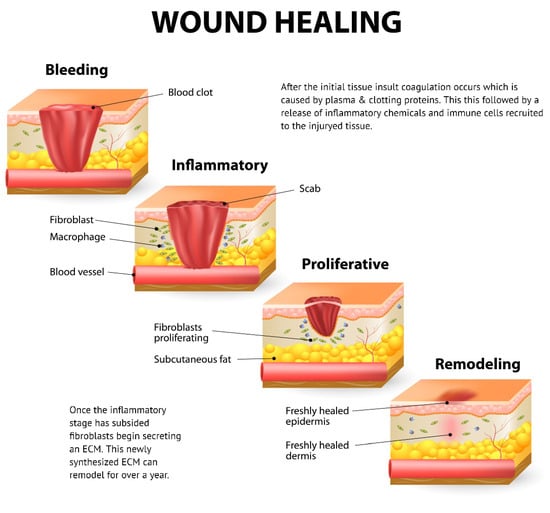
ECM dressings are unique materials that are produced using decellularized tissue. The cellular components are eliminated. And the natural constitution remains. This structure keeps the biological cell-guiding proteins that help skin rebuild itself.
This is why ECM dressings are becoming necessary in wound healing in the veterinary field:
Promote Faster Healing
ECM sends “repair signals” to cells. Such cues cause proteins to stimulate the healing process.
A 2023 paper in the American Journal of Veterinary Research (AJVR)reports faster epithelialization (healing) with ECM dressings compared to standard dressings.
Reduce Inflammation
Dog and horse wounds have chronicinflammation. ECM is beneficial in alleviating swelling.
Its high collagen concentration structuresoothes the wound and boosts balanced immunity.
Encourage Natural Tissue Restoration
Normal dressings maintain woundcleanliness. ECM dressings aid in the formation of new tissue.
They enable the diffusion of fibroblastsand stem cells to migrate to the wound and restore normal skin.
Lower Infection Risk
ECM possesses antimicrobial intrinsic properties. There is a 2023 study in the American Journal of Veterinary Research (AJVR)that states: “Novel extracellular matrix wound dressing shows increasedepithelialization of full-thickness skin wounds in dogs.”
This is significant to animals that dwellin the open air.
Improve Strength of Healed Skin
Tensile strength is enhanced in wounds that have been treated using ECM. This shows that the new tissue will be stronger and less likely to tear.
Work for Many Types of Wounds
ECM dressings help with:
- Surgicalincision
- Deeplacerations
- Chronicnon-healing wounds
- Burns
- Pressureulcers
- Traumaticinjuries
Since ECM adapts to the biology of the animal, it provides a supportive option for many wound scenarios.
How ECM Dressings Work for Veterinary Wound Healing
The process of healing is not difficult. This is the way ECM dressings can benefit dogs and horses.
Step 1: Placement on the Wound
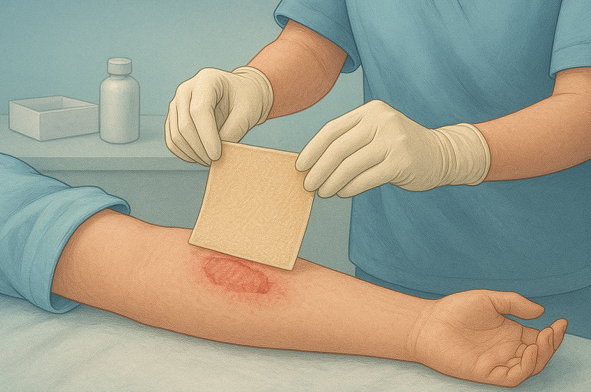
The vet cleans the wound first. Then the ECM sheet, powder, or gel is applied.
ECM is shaped into the wound bed and serves as a scaffold for nature.
Step 2: Activation of Healing Signals
ECM begins functioning immediately. It releases natural proteins such as:
- Collagen
- Fibronectin
- Growth factors
Step 3: Cell Migration
The ECM scaffolds are infiltrated by the surrounding tissue cells. They hook onto its fibers and begin rejuvenating layers that have been damaged.
A 2022 review of ECM-derived bioscaffolds applied to skin wounds showed that ECM patches facilitated angiogenesis and improved skin remodeling in animal models. (Frontiers in Bioengineering and Biotechnology)
Step 4: New Tissue Formation
The wound starts filling up with fresh tissue as opposed to scar tissue. This is termed not only as repair, but rather as tissue regeneration.
Step 5: Remodeling for Strength
The body eventually substitutes the ECM dressing with the tissue of the animal. Horses are the ones who can benefit most by this action, as their wounds are elongated and shift frequently.
The outcome is healthier and stronger skin.
ECM Dressings in Dogs: Better Healing for Active Pets
Dogs often have wounds from:
- Scratching
- Fights
- Accidents
- Surgical procedures
- Suckling and tearing stitches
Wounds open easily since dogs are inconstant motion. The ECM dressings are beneficial because they build the strength of the tissue at the initial stages of healing.
Key Benefits for Dogs
- Less licking due to reduced inflammation
- Fewer repeat bandage changes
- Faster granulation tissue formation
- Improved hair growth
- Lower chance of infection
Research shows that dogs treated with ECM sheets heal faster and have smoother skin texture compared to those with traditional dressing methods.
ECM Dressings in Horses: Solving a Major Veterinary Challenge
Horses are more likely to get wounds on their legs, knees, and also on the flank. These wounds do not heal well in horses:
- Move constantly
- Live outdoors
- Are exposed to dirt, insects, and moisture
- Have high tension areas on their skin
ECM dressings are now thought to be a break through in the management of equine wounds.
Benefits for Horses
- Less swelling
- Reduced proudflesh (granulation overgrowth)
- Better limb wound closure
- Stronger tissue remodeling
- Fewer complications from outdoor exposure
Research shows that ECM dressings are effective in preventing proud flesh formation, which is one of the most significant problems in horse wound care.
ECM encourages full-scale healing and facilitates the proper development of tissue.
Why ECM Dressings Out perform Traditional Veterinary Dressings
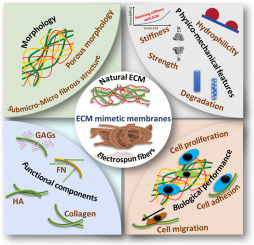
Traditional dressings only cover the wound. ECM dressings actively participate in the healing process.
Here’s a comparison:
For modern veterinary wound healing, ECM is quickly becoming the preferred option.
Applications of ECM Dressings in Veterinary Clinics
ECM dressings are now used for:
- Post-surgical wounds
- Soft tissue injuries
- Bite wounds
- Hoof and limb injuries in horses
- Skin graft support
- Chronicnon-healing wounds
- Pressure injuries in older dogs
- Severeabrasions from accidents
Since ECM adapts itself to the body cells, it is used in small and large animals alike.
Frequently Asked Questions
1. What are ECM dressings?
ECM dressings are biologic wound dressings derived from decellularized tissue. These support the natural healing prompts of the body and enhance the growth of tissues.
2. Are ECM dressings safe for dogs and horses?
Yes. They are also popular in veterinary medicine, and they have been shown to decrease infection and inflammation.
3. How do ECM dressings improve veterinary wound healing?
They offer natural scaffolds, cell growth direction, swelling mitigation, enhance the skin strength, and accelerate tissue rejuvenation.
4. Do ECM dressings work on chronic wounds?
Yes. The studies indicate that ECM works well on wounds that do not respond to standard treatment.
5. How long does it take for ECM dressings to heal a wound?
The recovery period depends on the wound; still, it has been reported that it takes a shorter period during the first week and closes quickly than the traditional dressings.
Conclusion: ECM Dressings Are Transforming Veterinary Wound Healing
ECM dressings are becoming one of the most reliable tools of veterinary wound healing. They do not just cover a wound, but also advance the growth of the natural tissues. ECM dressing aids in the faster healing of wounds as well as decreases swelling and the risk of infection in dogs and horses. They also make the new skin stronger and healthier.
As research continues to grow, ECM is reshaping modern veterinary medicine. It offers a smarter, more biologically aligned way to treat wounds that were once difficult or slow to heal. With ECM, veterinarians can give animals better comfort, faster recovery, and stronger long-term outcomes. This is why ECM is now viewed as one of the most important advancements in today’s veterinary care.
If you’re looking to improve outcomes in both routine and hard-to-heal cases, explore how KessGen’s advanced ECM dressings bring biology-driven healing into everyday veterinary practice.


More from KessGen Insights.

.webp)

.webp)
To unlock the full power of the ECM and pioneer a new era of regeneration.


.webp)
.png)
.webp)

.png)