
How ECM Enhances Cartilage Regeneration in Dogs
Explore how ECM scaffolds drive canine cartilage regeneration by mimicking natural tissue architecture, reducing inflammation, and restoring joint function and mobility

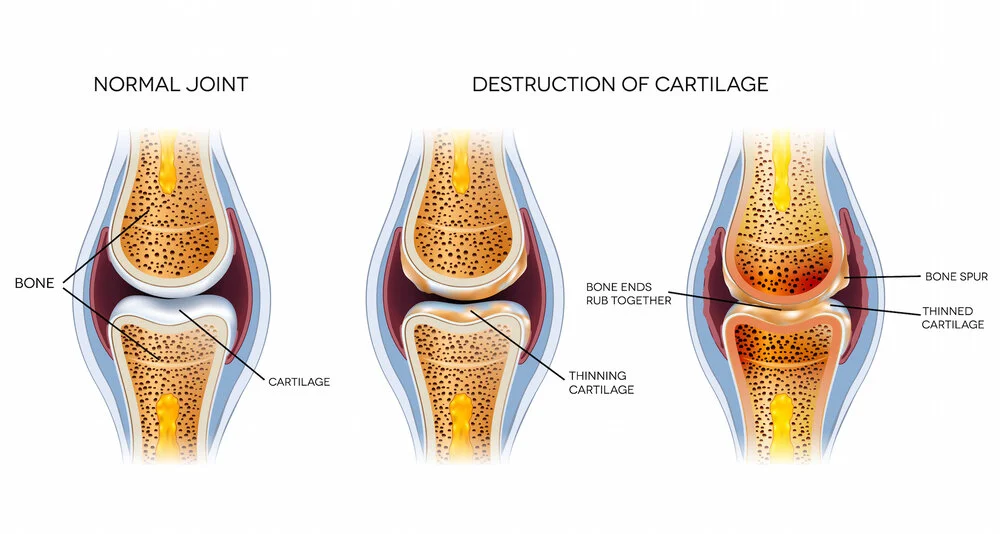
Cartilage defects and degenerative joint diseases, such as osteoarthritis, are among the most common health problems affecting dogs, especially aging and highly active animals. Because articular cartilage is acellular and aneural, its ability to heal is extremely limited. As a result, damage often progresses to chronic pain, reduced range of motion, and irreversible joint deterioration.
These challenges have driven researchers and veterinary professionals to explore both natural approaches to support cartilage regeneration and advanced biotechnological strategies aimed at improving cartilage repair.
Within this framework, extracellular matrix (ECM) therapies represent a promising avenue for improving cartilage regeneration in dogs due to the biological similarity, mechanical support and signaling molecules it provides to the injury site.
Understanding Cartilage and the Challenge of Repair
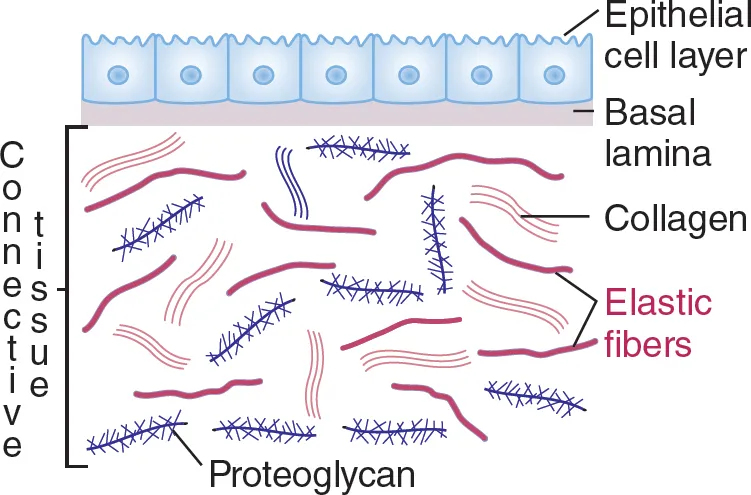
Articular cartilage lines the ends of the bones in joints such as the hip, stifle (knee), and elbow. The special composition of its extracellular matrix, a system of proteins (collagens, proteoglycans and glycosaminoglycans), accounts for the ability to withstand forces and enable smooth joint movements. However, once damaged, cartilage:
- Has limited self-repair capabilities
- Lacks blood vessels and nerves
- Is susceptible to degeneration (such as arthritis)
That's why your veterinarian may pair traditional treatments for cartilage repair (nutritional supplements, like glucosamine, chondroitin and omega-3 fatty acids) with regenerative medicine protocols that slow degeneration and promote cartilage health.
What Is the Extracellular Matrix (ECM)?
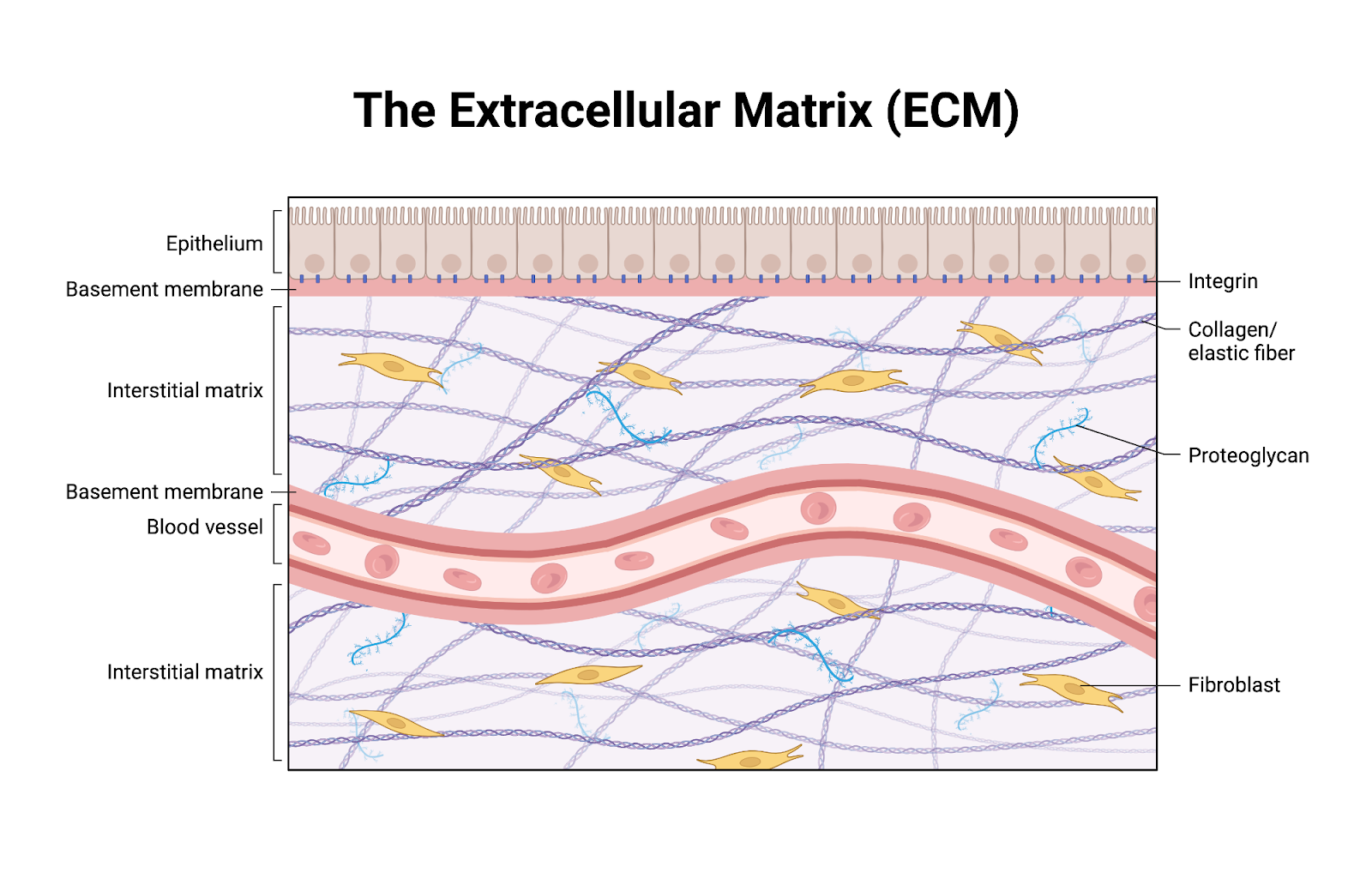
ECM isn’t just a scaffold; it’s an active biological network that:
- Supports cells structurally
- Controls cellular activity by signaling between the cells.
- Offers signals for restoration and regeneration of tissues
In the context of natural remedies for cartilage regeneration, ECM can be employed in various formats:
- Natural cartilage derived matrix (cECM)
- Decellularized ECM scaffolds
- Stem cell-derived ECM
These forms of ECM act as bioactive scaffolds replicating native cartilage environment and carry out better tissue repair than mechanical treatment alone.
How ECM Enhances Cartilage Regeneration?
1. Provides a Natural Scaffold for Cell Growth
One of the major roadblocks in cartilage repair is finding a way to make chondrocytes (cartilage cells) or stem cells grow and differentiate well. Cartilage ECM has inherent bioactive cues that aid:
- Support chondrocyte proliferation
- Retain cells in a chondrogenic state
- Promote the deposition of cartilage specific molecules such as Type II collagen
One study demonstrated that mesenchymal stem cell (MSC) derived ECM outperforms standard culture methods in terms of chondrocyte expansion and cartilage formation.
This proves that ECM scaffolds can serve as direct support of tissue development and in particular when cells are seeded into them.
2. Encourages Stem Cell Recruitment and Differentiation
It has been shown that modern engineered ECMs (e.g. cytokine activated) are more than a passive scaffold. It was shown that pre-conditioned extracellular matrix, particularly upon exposure to agents such as IFN-γ, improves:
- Chondrocyte homeostasis
- Recruitment of endogenous stem cells
- Stem cell development into chondrogenic cells
This is consistent with the broader direction of regenerative medicine where you are leveraging biological signals to induce the body´s own wound healing pathways, a principle shared by many natural remedies for cartilage regeneration like anti-inflammatory herbs and nutrients that support cell signaling and joint repair.
3. Reduces Inflammation and Cell Death
Inflammation is a key obstacle for successful cartilage regeneration. Overproduction of inflammation can rapidly degrade the matrix of cartilage, disrupt cell survivability, and result in joint pain. Cartilaginous ECM has been demonstrated to:
- Improve cell proliferation
- Reduce inflammation
- Protect chondrocytes from TNF-α-induced apoptosis
In an animal study with rabbit cartilage ECM, marked anti-inflammatory and pro survival effects were observed, providing evidence that ECM can reduce inflammatory damage which is inherent for regeneration.
Inflammation modulation is also a common priority in most natural remedies for cartilage degeneration (e.g., omega 3 fatty acids, antioxidants), suggesting a potential for synergy between nutritional support and ECM based tissue engineering.
4. Mimics Natural Tissue Structure to Promote Integration
Upon implantation of ECM scaffolds into cartilage defects, they present a native-like environment to which the cells attach and grow. In a study employing large animal models, implantation of ECM scaffolds in cartilage defects regenerated better articular cartilage compared to traditional microfracture methods more so when supplemented with growth factors such as TGF-β3.
This leads to the indication that ECM constructs are not just purely passive support structures but can actively direct tissue regeneration similarly to a healthy native environment of cartilage.
ECM in Canine Cartilage Regeneration: What Research Says
Mesenchymal Stem Cells and ECM for Canine Cartilage
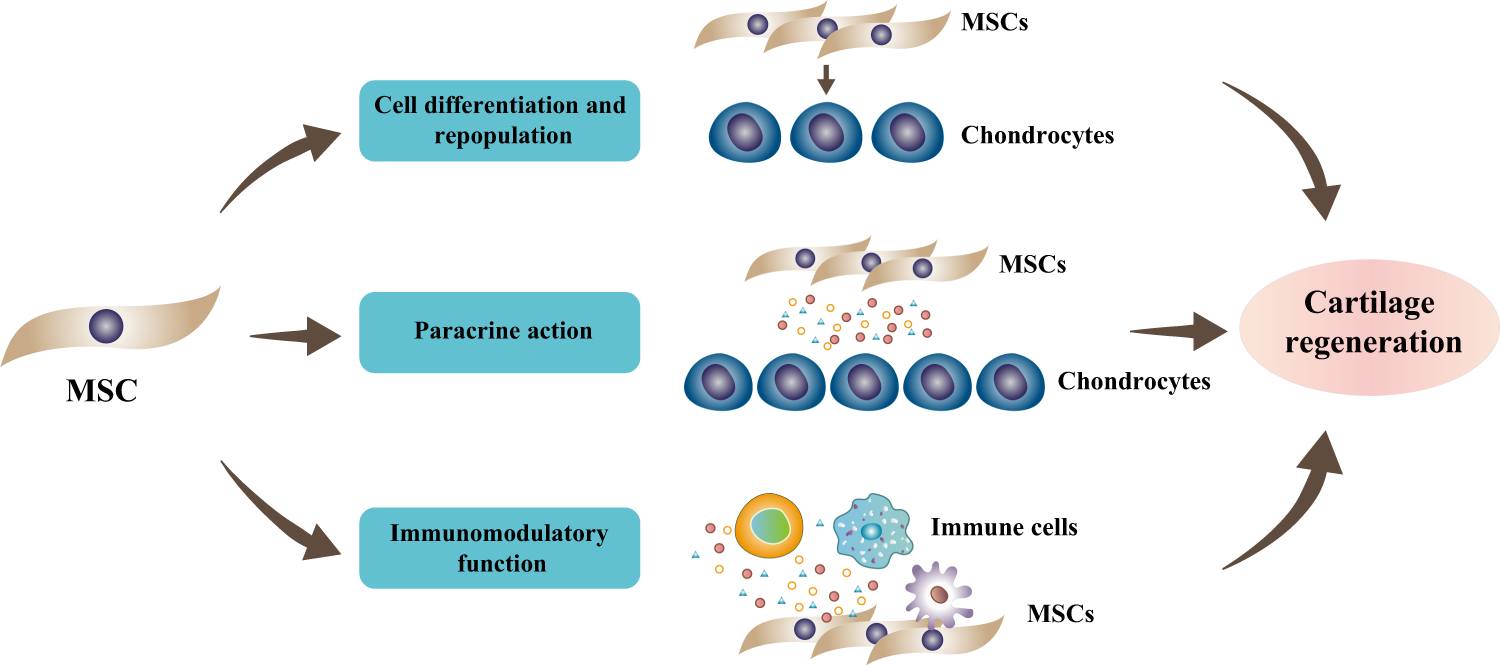
Mesenchymal stem cells (MSCs) have the ability to naturally secrete ECM substances and may be used for regenerative therapy in canine cartilage defects. An analysis of research on repair in canine cartilage has concluded that:
- MSCs differentiate into cartilage cells.
- MSCs can also release trophic factors to facilitate cartilage repair.
- MSC treatment successfully treated pain and lameness in dogs with osteoarthritis.
While the research presented is primarily centered around MSCs, as opposed to raw ECM scaffolds, the principles of ECM biology (i.e. providing cell support or regenerative signaling) are at the core of why MSC treatments work.
This underscores that ECM based strategies (be they via purified ECM scaffolds or MSCs that produce ECM) are functional components of the cartilage repair process and closely recapitulate features of native tissue healing.
Bridging ECM and Natural Remedies for Cartilage Regeneration
A lot of pet owners and vets are already relying on natural aids to support joint health:
- Glucosamine and chondroitin sulfate
- Omega 3 fatty acids
- Antioxidant effect of vitamin C and E
- Anti-inflammatory botanicals (turmeric, boswellia)
These supplements aim to:
- Reduce inflammation
- Support cartilage metabolism
- Improve joint lubrication
However, such natural therapies alone are incapable of complete recovery from the severe degradation of cartilage, and this is when ECM treatments can make the most difference.
As an adjunct, natural treatments can enhance local tissue health and reduce inflammation while providing nutrient substrate in order to make ECM more effective.
As an example, omega-3 fatty acids block the release of proinflammatory cytokines responsible for cartilage degradation and ECM scaffolds offer structural and biochemical cues to promote new tissue.
This combination approach (natural support plus ECM-based regeneration therapy) may promote better results in canine cartilage repair which would enable dogs to maintain an appropriate movement and quality of life in dogs.
Practical Considerations for Canine Owners
1. Veterinary Supervised Cartilage Support Plan
Before starting any natural or complicated treatment for cartilage health in dogs:
- Contact a vet to have an image (X-ray, MRI) of your dog's joint situation.
- Create a program that is targeted and organized with nutrition, supplements, and regenerative therapies.
- Monitor response over time.
2. Combine Natural Remedies with Regenerative Support
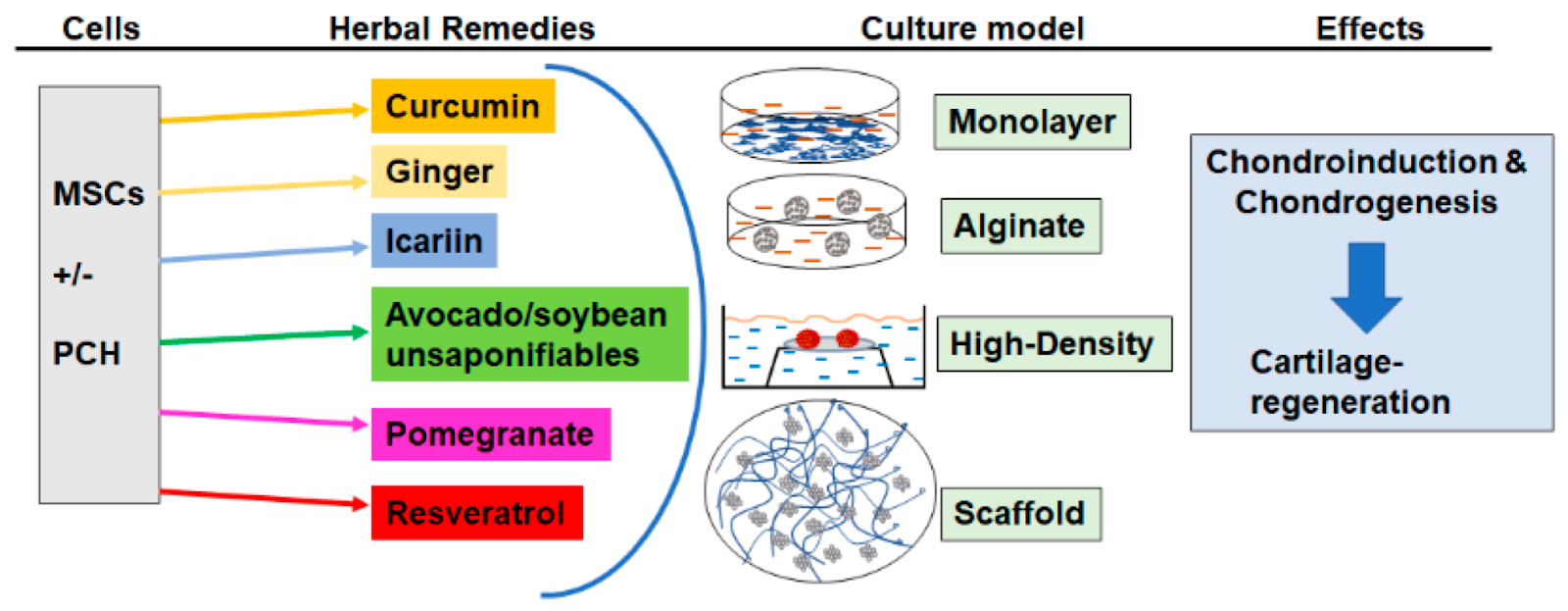
Natural treatment options (diet, supplements, limited exercise) are available to maintain joint health, however, ECM based therapies or cell therapies are modalities that are commonly required. ECM protocols are typically managed or directed by veterinary specialists.
3. Evidence Based Approach
New data continues to support the biological potential of ECM for cartilage regeneration, but credible evidence, such as clinical studies and veterinary experience, should guide treatment protocols.
Future Directions in Cartilage Regeneration
Current studies further define the role of ECM in regenerative medicine:
- Co-culture of the ECM with growth factor for chondrogenesis (e.g., TGF-β3).
- Constructing ECM scaffolds specific to the joint environment.
- The role of extracellular vesicles and stem-cell paracrine effect in regenerative signaling.
Such advances in cartilage therapy might facilitate the development of biomimetic ECM scaffolds, cell-based therapies and supportive natural remedies for cartilage repair and provide new hope that functional recovery is possible for both animals and humans alike.
Conclusion
The quest for cartilage repair in dogs is difficult because of limitations of the regeneration process. Nevertheless, ECM based therapies (natural cartilage derived scaffolds and engineered extracellular matrices) represent a potent strategy to improve biological healing and tissue regeneration.
Paired with natural remedies for cartilage regeneration, including anti-inflammatory diet, this approach lends itself to both immediate comfort as well as long term joint integrity.
Evidence based research and a comprehensive approach to care can help veterinarians and dog owners in keeping their aging or injured dogs retain mobility, with less pain, so they can enjoy the best possible quality of life.


More from KessGen Insights.

.webp)

.webp)
To unlock the full power of the ECM and pioneer a new era of regeneration.


.webp)
.png)
.webp)

.png)