
How ECM in Animal Cells Modulates Cell Signaling Pathways Beyond Wound Repair
Discover how ECM in Animal Cells regulates other critical signaling pathways that extend beyond injury healing.

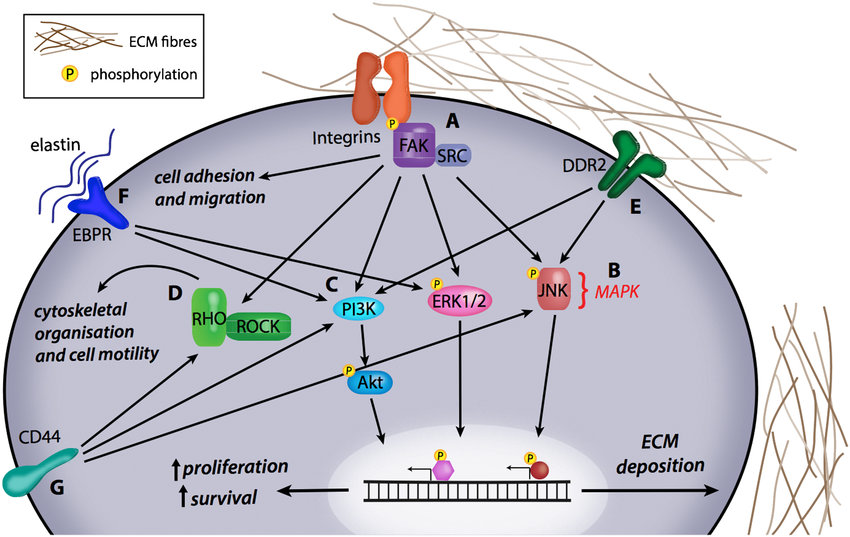
The ECM in animal cells is a dynamic regulator of tissue behavior. While the extracellular matrix (ECM) is often described as a structural scaffold that supports and positions cells, its role extends far beyond simple support. The ECM is an active communicator, constantly delivering biochemical and mechanical signals that influence how cells function from moment to moment.
Cell signaling is the foundation of cellular communication. When signaling pathways change, tissue behavior changes. When signaling is disrupted, tissues fail. The ECM plays a central role in directing these signals, it activates specific pathways, suppressesothers, stores growth factors, and releases them when they are needed.
As a consequence, the ECM in Animal Cells has pervasive effects on development, immunity, aging, cancer and organ repair, going well above and beyond wound healing.
What Is the ECM in Animal Cells?
ECM in animal cells is an ExtracellularNetwork. It consists of proteins, sugars, minerals and water. Most ECM proteinsare of the following types:
- Collagen
- Elastin
- Laminin
- Fibronectin
- Proteoglycans
ECM assist in keeping tissues strong andflexible. Signals are also retained in the ECM. It contains growth factors,cytokines and enzymes. Cells “read” this information with the help of receptorssuch as integrins, syndecans and dystroglycans.
How ECM in Animal Cells Controls Signaling Pathways
The ECM Inbound Animal Cells can impose a dual control on signaling by both chemical and mechanical cues. Here are the primary ways that occurs.
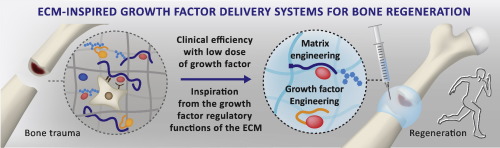
1. ECM Stores and Releases Growth Factors
Most growth factors are unable to drift around freely. They adhere to ECM components such as heparan sulfateproteoglycans. These include:
- VEGF
- FGF
- TGF-β
- PDGF
When attached to the ECM, these molecules are repressed. They’re waiting for the right signal. When the ECM is cut by enzymes or stretched, these factors are released. This is signaling done at the right time and place.
This creates controlled, localized responses. Growth factors would go too far without ECM storage. Tissues would grow incorrectly.
2. ECM Mechanics Influence Cell Signaling
Not only can cells read chemical signals. They also feel physical. It is the ECM in Animal Cells that carries mechanical signals in terms of stiffness, stretch and pressure.
A stiff ECM activates:
- YAP/TAZ pathway
- FAK pathway
- RhoA/ROCK pathway
A soft ECM activates:
- Quiescent gene programs
- Anti-growth signals
- Stem cell resting states
It means that the physical property of ECM determines cell identity. For instance, stem cells can be turned into bone cells on stiff ECM or fat cells on soft ECM, mechanisms explored in greater depth in the role of ECM in medical cell signaling and regeneration.
3. ECM Regulates Wnt, Notch, and TGF-β Pathways

Some of the most important pathways in biology are regulated by the ECM:
- ECM → Wnt Signaling: Proteoglycans like biglycan enhance Wnt signaling. This has implications for growth, repair, and regeneration.
- ECM → Notch Signaling: Notch requires cell-to-cell contact. The ECM alters how cells adhere to and tug on one another, adjusting the level of Notch signaling.
- ECM → TGF-β Signaling: ECM fibers are strongly bound to TGF-β. TGF-β is activated when the ECM is stretched, impacting growth, inflammation, and fibrosis.
These pathways regulate development, cancer, immunity and aging. This is an indication of how strong the ECM in Animal Cells can be.
4. Integrins and FAK Connect ECM to the Cell Interior
Integrins reside on the surface of cells. They bind ECM ligands. When integrins adhere, they become concentrated somehow. This clustering initiates FAK (Focal Adhesion Kinase).
FAK then triggers:
- MAPK signaling
- PI3K/AKT signaling
- Rho GTPase pathways
- Growth and survival pathways
That means the ECM can control how cells behave through integrin binding alone. This supports the fact that the ECM in Animal Cells directly cross talks with cytoskeleton and nucleus.
5. ECM Architecture Shapes Spatial Signaling
Patterns of the ECM in Animal Cells directs the progression of signals through tissue.
For example:
- Migration paths are formed by a thick number of collagen fibers
- Laminin-rich areas promote growth
- A porous ECM accelerates the diffusion of signals
- Dense ECM blocks signal movement
For this reason ECM functions as a map. It directs cells to the right place and helps them answer the right signals.
Roles of ECM in Animal Cells Beyond Wound Repair
The ECM is salient not only during the healing process. It performs significant functions in a number of biological processes.
1. ECM in Development
The ECM controls organ formation during early development. It tells cells where to move. It guides tissue folding. It contributes to the development of the heart, lungs, muscles and brain. Early growth prefers a soft ECM. A stiffer ECM forces tissues to grow up more quickly.
2. ECM and Stem Cell Niches
ECM signals to stem cells. ECM in Animal cells is responsible for:
- When stem cells divide
- When they rest
- What kind of cell they will become
- How they respond to damage
Recent stem cell treatments utilize ECM-derived biomaterials for better performance.
3. ECM and Organ Function
A healthy ECM is essential for the heart to beat properly. It allows lungs to expand. It gives tendons their strength. It even helps muscles contract. When ECM stiffens too much or becomes too weak, organs fail.
4.ECM and Aging
As animals age:
- Collagen becomes stiff
- Elastin breaks down
- ECM becomes disorganized
- TGF-β activation increases
These changes alter signaling. Cells become less responsive. Repair slows. Inflammation rises. The majority of aging is associated with changes in the quality of ECM.
5. ECM and Cancer
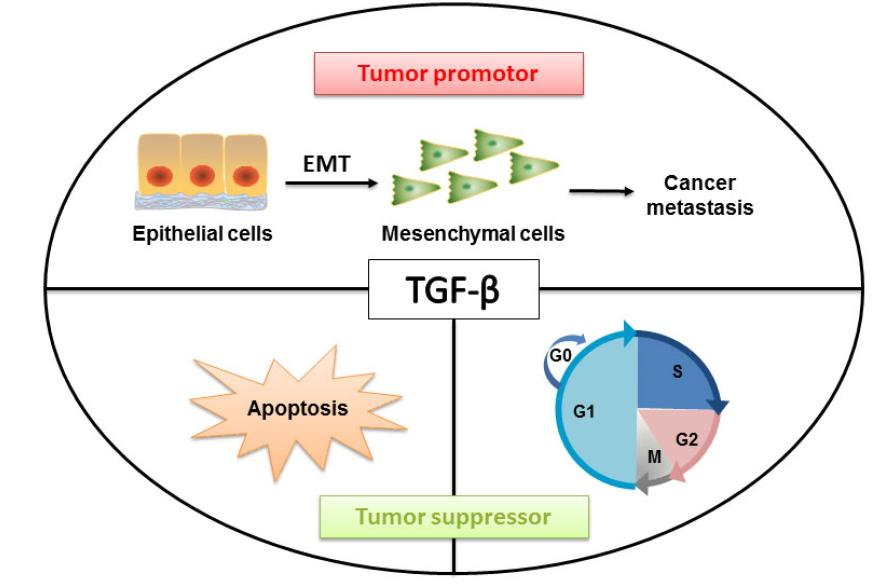
In tumours ECM becomes abnormal. It becomes very stiff. It drives cancer cells to proliferate, move and survive. Tumor ECM activates:
- YAP/TAZ
- FAK
- TGF-β
- Integrin signaling
These pathways help cancer spread. Targeting the ECM can slow down cancer advance.
Why ECM in Animal Cells Matters for Medicine?
ECM is important to many disciplines:
- Tissue Engineering: Artificial ECM materials direct cell patterning in artificial organs
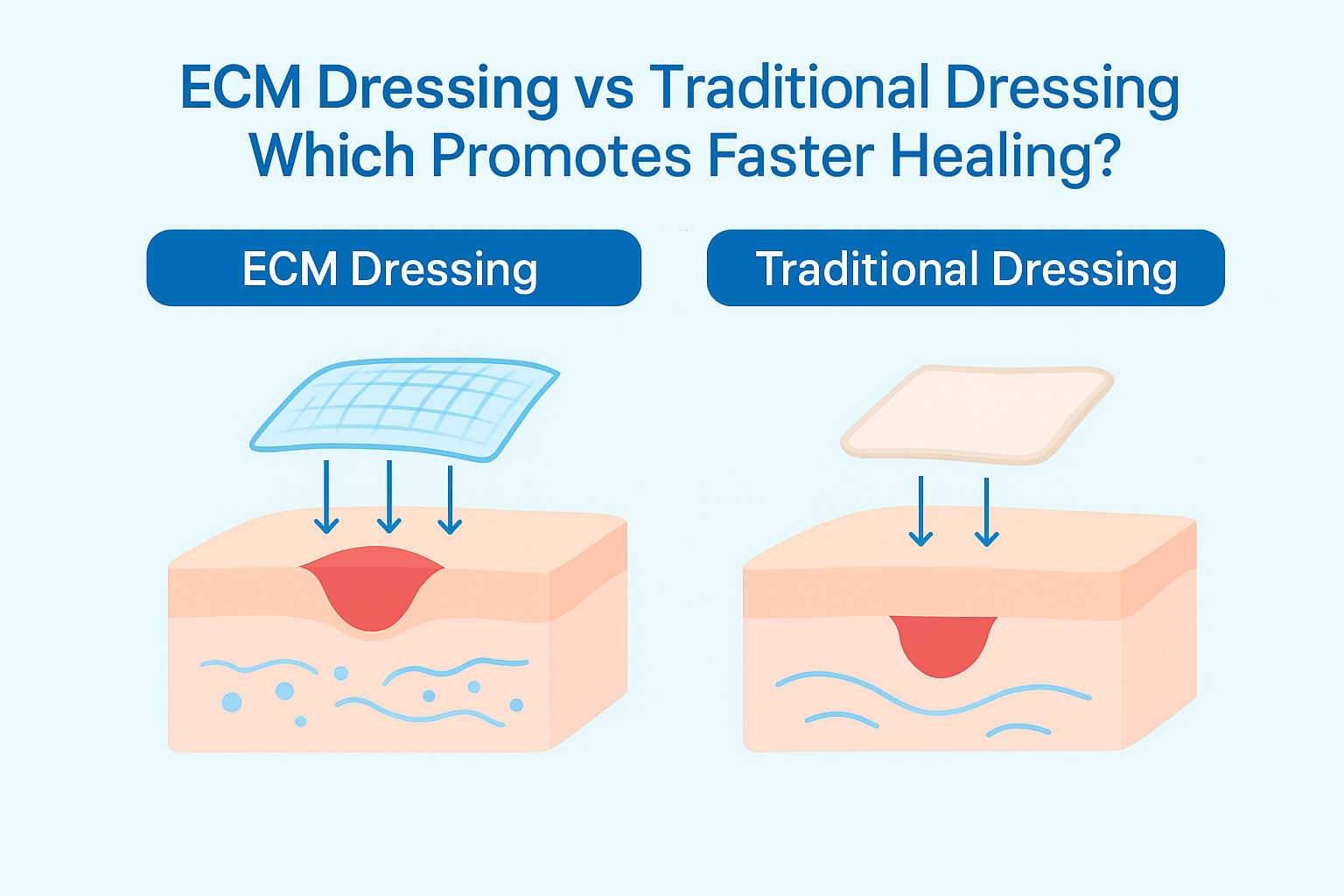
- Regenerative Medicine: Altering ECM stiffness can enhance healing from injury
- Cancer Therapy: Inhibiting ECM–integrin signaling can decelerate tumor growth
- Anti-Aging Research: Softening stiffer ECM can improve repair in aged tissue
- Drug Delivery: The architecture of ECM determines how drugs disseminate within tissues
ECM in Animal Cell, is an important target now and in the future.
Final Thoughts
The ECM in Animal Cell is not Passive. It is a known modulator of cellular pathways. It influences how cells grow and move, and survive. It controls Wnt, Notch, TGF-β, YAP/TAZ and FAK processes. It orchestrates development, repair, regeneration and even disease.
ECM based research promotion might be the key to better therapy, stronger biomaterials as well as healthier aging.


More from KessGen Insights.
.webp)


.webp)
To unlock the full power of the ECM and pioneer a new era of regeneration.


.webp)
.png)
.webp)

.png)