
Why Traditional Wound Care Fails in Chronic Animal Wounds and How ECM Changes Outcomes?
Discover why Traditional Wound Care doesn’t work, and how ECM wound treatments change outcomes of chronic wounds.

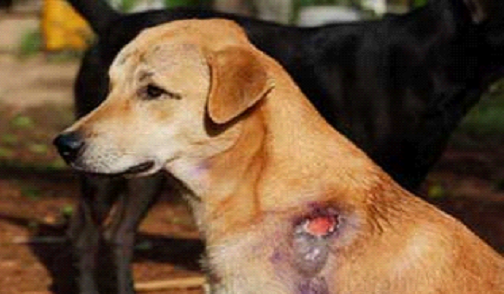
Chronic wounds in animals represent one of the most significant clinical challenges for veterinarians and pet owners alike. Whether it is a persistent pressure sore in an elderly dog, a non-epithelializing wound on an equine limb, or a long-standing paw-pad injury in a working canine, these wounds often resist repeated attempts at closure.
For centuries, traditional wound care approaches—such as cleansing, debridement, antimicrobial dressings, and antibiotic therapy with conventional bandaging, have formed the foundation of wound management. While these methods are still widely used today, they frequently fail to deliver durable, long-term healing in chronic wounds.
In this article, we consider why Traditional Wound Care has been unsuccessful in the management of chronic animal wounds, what physiological factors are at work to prevent healing and how extracellular matrix(ECM)-based therapy fundamentally alters the outcome.
What Is Traditional Wound Care?
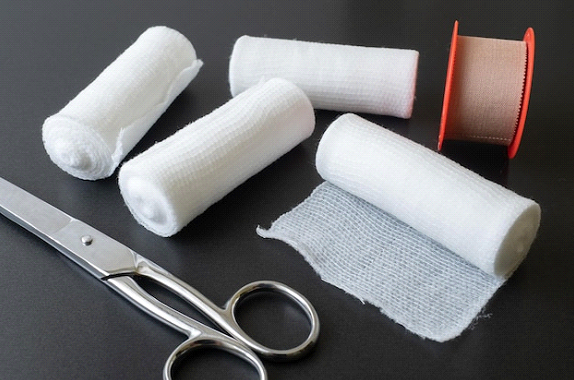
In veterinary field, Traditional Wound Care commonly comprises:
- Wound cleansing and irrigation
- Mechanical or enzymatic debridement
- Topical antiseptics or antimicrobial dressings
- Oral antibiotics if an infection is suspected
- Basic protective bandaging or compression
These measures are intended to minimize contamination, debride necrotic tissue and prevent further trauma to the wound. In fresh or uncomplicated wounds, such measurements may be adequate.
However, chronic wounds are more than just delayed acute wounds. They represent a highly dynamic and self-sustaining pathological condition that allows them to evade conventional treatments.
A full accounting of wound biology confirms that chronic wounds become ‘stalled’ at the inflammatory stage and no progress toward tissue formation or remodelling occurs.
Why Traditional Wound Care Often Fails?
1. Biofilms Protect Bacteria from Treatment
Among the most crucial discoveries in chronic wound science is involvement of biofilms: structured bacterial communities bound within self-synthesised polymers attached to wound bed. These biofilms are resistant to both topical antiseptics and systemic antibiotics.
Traditional washing and antimicrobial dressings may temporarily eliminate superficial bacteria, but there is still an ongoing biofilm deep within the tissue, which continues to cause ongoing low-grade inflammation, impeding recovery.
Biofilm bacteria escape immune clearance and present a barrier to antimicrobial treatment, leading to the development of chronic infection.
In animals like horses with limb injuries or dogs who have frequently re-injured paw pads, the root of stalled healing is now known to be biofilms and this has become a regular etiology.
2. Protease Imbalance Degrades Healing Signals
Another biological obstacle in chronic wounds is heightened protease expression. Under normal conditions, enzymes known as proteases remodel the extracellular matrix and clear damaged proteins.
In chronic wounds, however, these enzymes are overproduced and degrade growth factors, cytokines and structural proteins more rapidly than they can be replaced.
With an absent ECM scaffold, cells do not attach/migrate properly and cannot form healthy tissue. And classical antibacterial and cleaning procedures, of course, fail to correct this protease imbalance.
This chronic matrix degradation is widely documented in wound biology literature and a major contributor as to why Traditional Wound Care alone cannot restore the healing microenvironment.
3. Persistent Inflammation Halts Progress
Chronic wounds are frequently “stuck” in a protracted inflammatory phase. Instead of polarizing towards regenerative stimuli, macrophages and neutrophils remain active and continue to release pro-inflammatory factors that lead to ongoing tissue injury.
Traditional wound care can decrease observed redness or bacterial levels but not consistently rebalance immune reactions.
This protracted immunologic activity inflicts cellular damage, “locks” angiogenesis, and leaves wounds suspended in a limbo from which tissue repair never fully arises.
4. Poor Vascular Supply and Cellular Senescence
Insufficient blood supply in a lot of chronic wounds prevents the delivery of vital oxygen and nutrients needed for healing. In addition, cells in the vicinity of wound margin can become senescent, which is a state of irreversible growth arrest and decrease in repair capacity. Traditional wound care solutions don’t address these deeper physiological concerns.
That means that even if infection is contained and bandages are regularly changed, the wound cells on the inside lack the internal signals and resources they require to restore tissue.
5. Species-Specific Challenges in Animals
Adding different animal species (and different anatomical sites) makes things even more complicated. Exuberant growth of pink, healthy granulation tissue (``proud flesh'') is common in horses and it actually retards healing. Dogs have loose skin and weight-bearing pads that will not tolerate stable dressings. All of these physical and biological conditions inhibit how well Traditional Wound Care can work alone.
What is ECM and Why Does It Work?
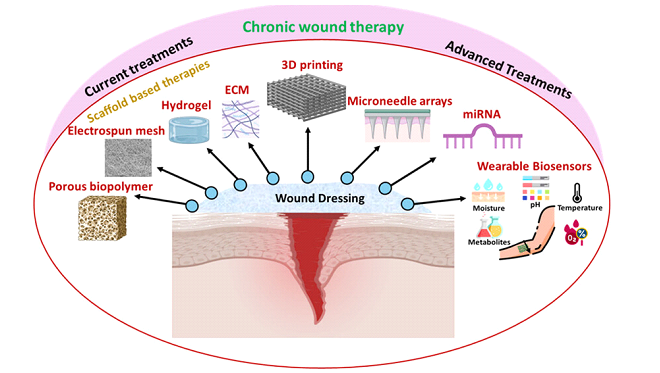
The extracellular matrix (ECM) is the endogenous, acellular sheath that envelopes and maintains complex tissue architecture. It consists of structural proteins (collagens, elastin), glycoproteins and proteoglycans and signaling molecules. Together, these components serve as both the physical structure and biochemical signals required for cells to migrate, proliferate and differentiate.
In chronic wounds, the endogenous matrix is degraded or abnormal. This is where ECM-based therapy comes into play.
What ECM Therapies Do?
ECM treatments involve the implantation of decellularized matrices from biologic materials (e.g., porcine dermis, fish skin, and placental tissue) or engineered materials designed to replicate the base matrix structure. These advanced dressings:
- Re-establish structural support necessary for cells to move and organize themselves
- Hold-in or release positive factors of tissue formations
- Shift the inflammation toward regenerative (M2 macrophage) polarization
- Stimulate angiogenesis and new vessel growth
- Stimulate new tissue growth
A complete overview of decellularized ECM products establishes they facilitate healing at the biological microenvironment not only a superficial treatment which traditional wound care would act upon.
Evidence Supporting ECM in Chronic Wound Healing
Improved Cellular and Histologic Healing
Recent preclinical and veterinary studies have shown that wounds treated with ECM dressings had accelerated re-epithelialization, improved tissue orientation in the layers of the wound site and enhanced histologic results when compared to those treated with Traditional Wound Care alone.
Faster Healing and Reduced Chronicity
Some of the consistent advantages that systematic reviews of ECM have stated are:
- Shortened time to wound closure
- Increased granulation tissue formation
- Faster tissue remodeling in more advanced stages
The data indicate that ECM therapies have the ability to move debrided, stalled wounds toward healing more effectively than Traditional Wound Care by supplying the structural and biochemical cues that characterize chronic wounds.
Combining ECM with Traditional Wound Care
ECM is not substitution for Traditional Wound Care—It's complementary to it, repairing what Traditional Wound Care can't.
Here is a straightforward, evidence-based way to treat chronic animal wounds
1. Stabilize and Assess the Patient
Full clinical work-up The animal should be thoroughly evaluated with:
- General health (endocrine, nutrition, immune status)
- Wound history and previous treatments
- Evaluation of infection or biofilm formation
2. Debridement and Biofilm Control
Debride with surgical or enzymatic material to get the tissue bed clean. In such circumstances, topical anti-biofilm measures should be considered particularly for long-term wounds with established microbial communities.
3. Apply ECM Therapy
Debride, and place the selected ECM product based on depth and species concurrently. ECM must be in contact with viable tissue and shielded by compatible dressings.
The efficacy of ECM therapy is greatest when employed as part of a comprehensive regimen to minimize pressure, manage infection and follow up.
4. Optimize the Wound Environment
Appropriate off-loading (pressure redistribution), analgesia, directed anti-microbial therapy if required, good nutrition will also improve the efficacy of ECM. Longstanding wounds receive the greatest benefit from repair of multiple defective modalities.
Limitations and Considerations
In the face of compelling evidence, clinicians must bear in mind:
- Variability of ECM products: Source and processing method between batches means product results might differ.
- Cost: High quality ECM products are expensive than routine dressings but may save money in the longer term by accelerating healing and reducing interventions.
- Veterinary research gaps: Although more evidence is accumulating, further large-scale trials of critical evaluation of these products are required.
Conclusion
Traditional wound care—including cleansing, debridement, infection control, and supportive care, remains essential in managing wounds. However, chronic wounds are biologically different from acute wounds, and traditional approaches alone often fail to transform the wound microenvironment into one that supports active regeneration and healing.
ECM-centered therapeutic strategies address the fundamental barriers that keep chronic wounds in a persistent non-healing state. By restoring structural support, modulating inflammation, and stimulating angiogenesis and tissue growth, ECM therapies can achieve outcomes that traditional wound care cannot.
The future of chronic wound management in veterinary patients lies in integrating these regenerative modalities into standard care protocols, shifting the focus from symptom management to true tissue healing.


More from KessGen Insights.
.webp)


.webp)
To unlock the full power of the ECM and pioneer a new era of regeneration.


.webp)
.png)
.webp)

.png)