
Beyond Protection: How ECM-Based Products Are Redefining Veterinary Bandages
Discover how ECM-based veterinary bandages promote regeneration, accelerate healing, and outperform traditional wound dressings in clinical practice.

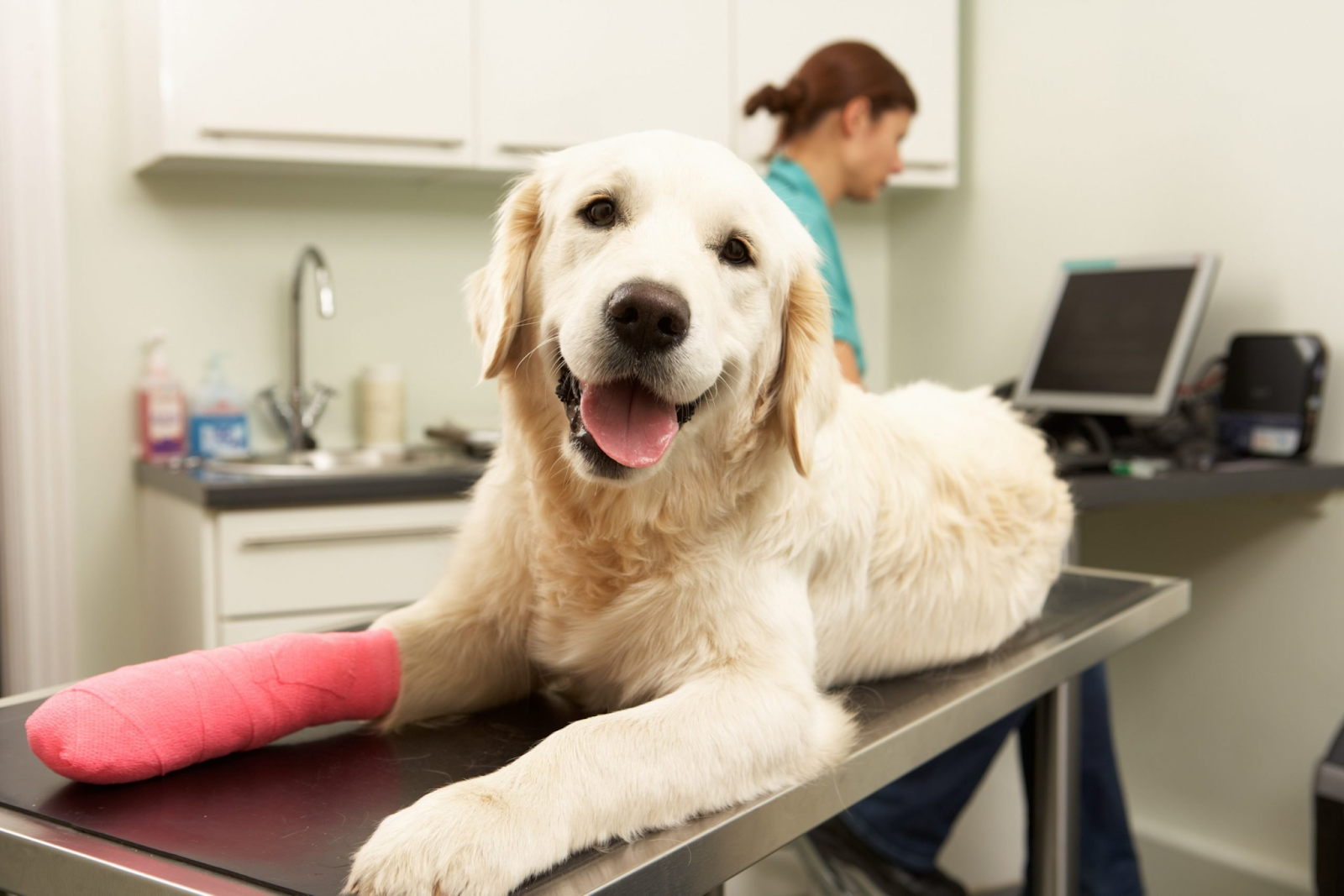
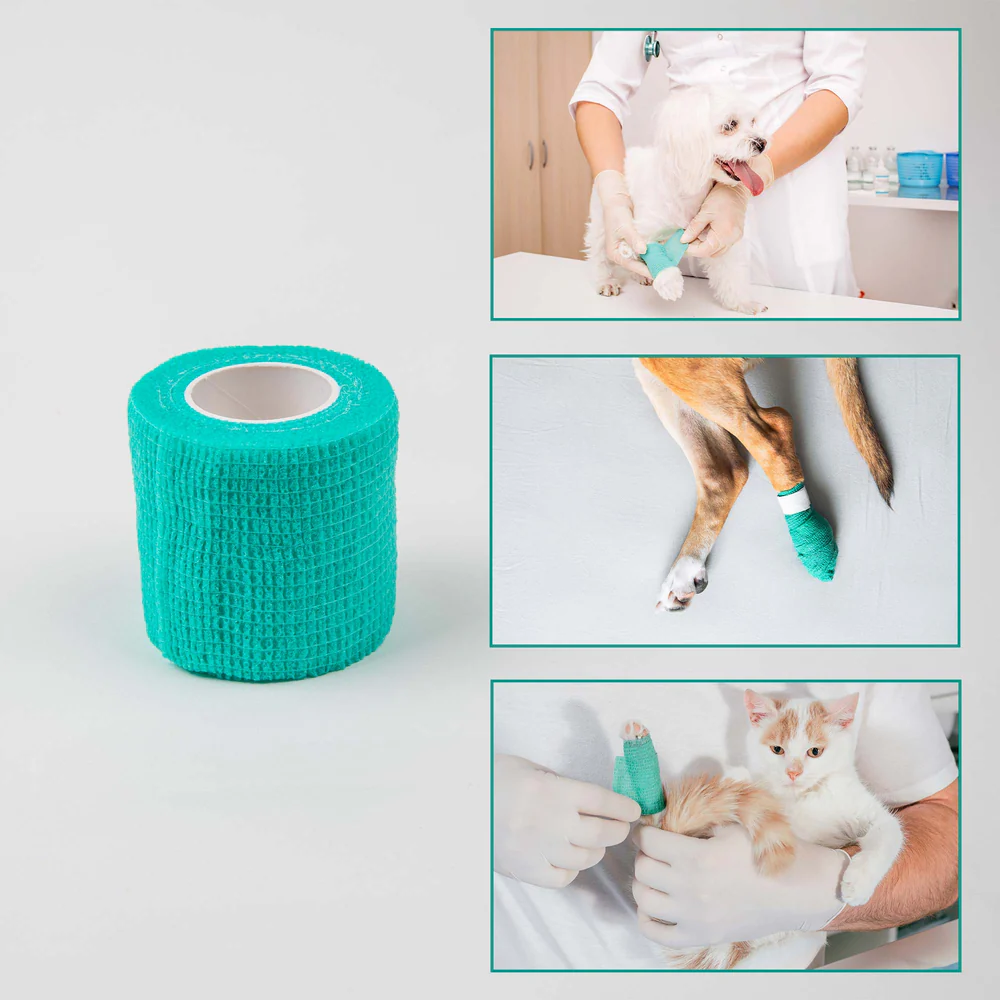
Veterinary wound therapy has advanced significantly in recent years and is no longer limited to simple wound coverage and physical protection. While traditional veterinary bandages have long played an essential role in safeguarding injured areas and supporting healing, ongoing advancements have brought ECM-based products to the forefront of modern, advanced animal care.
ECM based products are not just passive mechanical bandages but are actively involved in the wound healing cascade. They communicate with cells, direct tissue healing and can bolster the body’s own repair systems.
This means that this technology is now influencing the way veterinarians are researching and choosing various types of veterinary bandages especially on more difficult to heal or chronic wounds.
Understanding Traditional Types of Veterinary Bandages
They are classic types of veterinary bandages and are intended to keep wounds clean, reduce swelling and offer a structural base. They are still an integral part of veterinary practice and can generally be classified in two ways:
1. Protective and Support Bandages
The compresses are intended to protect wounds from infection and reduce mechanical trauma. Examples include:
- Compression bandages to control edema
- Padding bandages for cushioning
- Stiff bandages and splints to hold the wrist still
Although effective in terms of protection, these veterinary bandages are passive and have no direct effect on the cellular processes occurring at the wound site.
2. Moist Wound Healing Dressings
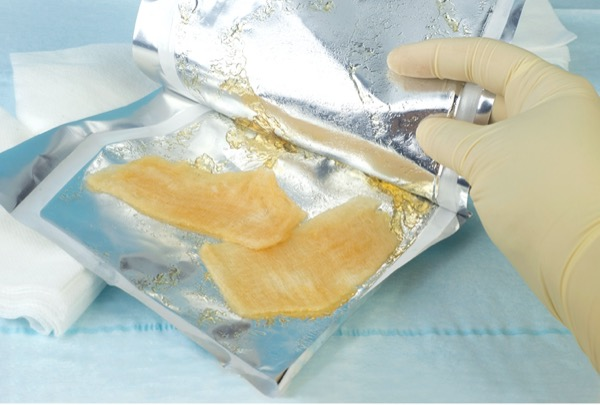
Moisture retentive wound dressings, including hydrocolloids, hydrogels, alginates and foams have led to better results than dry or semi functional dressings. They prevent dehydration, promote autolytic debridement and minimize pain.
However, these incumbent types of veterinary bandages have yet had the biological signal carrying capacity required to facilitate genuine tissue regeneration.
Limitations of Conventional Types of Veterinary Bandages
While conventional types of veterinary bandages are useful, they are also associated with a number of limitations.
- They do not encourage cell migration or proliferation, and
- They do not have structural direction for tissue remodeling.
- They are not modulators of inflammation or proteolysis
- They do not provide any biological stimuli for angiogenesis
Consequently, in wounds treated using traditional bandaging methods alone, healing times can be prolonged and scarring or chronicity may develop, particularly in animals that are poor healers.
What Is the Extracellular Matrix (ECM)?
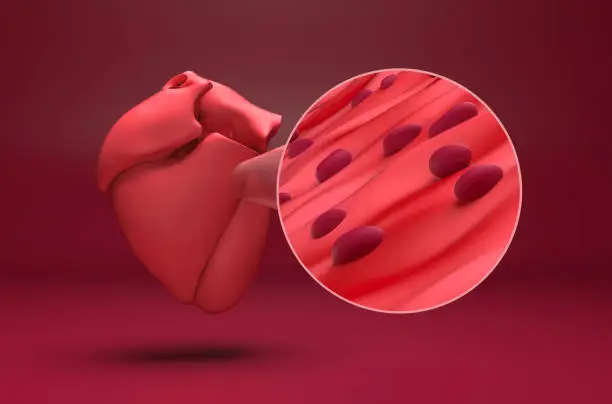
The extracellular matrix (ECM) is a ubiquitous network of proteins and polysaccharides present in all tissues. It gives both scaffolding support and chemical signals that are important for tissue regeneration. Major components of ECM are collagen, elastin, fibronectin, laminin and glycosaminoglycans.
In the case of normal wound healing, the ECM serves as a scaffold that:
- Directs cell migration
- Regulates inflammation
- Supports angiogenesis
- Guides organized tissue regeneration
There is scientific evidence that unmodified ECM architecture is essential for functional tissue repair.
Why Are ECM Based Products Advanced Types of Veterinary Bandages?
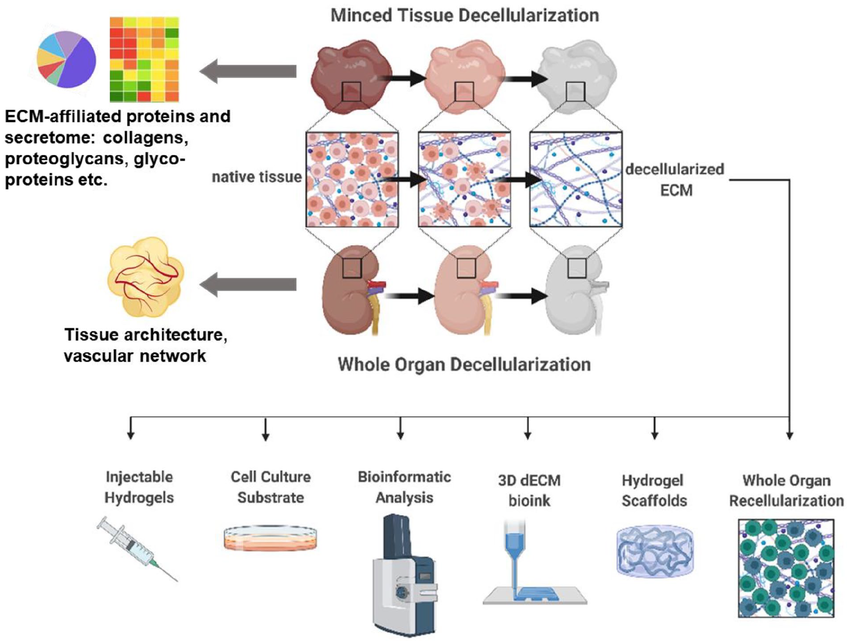
ECM products are derived via a decellularization strategy where cells, but not the structure of native ECM is removed. This results in a scaffold that is biocompatible and becomes incorporated into the host tissue instead of only covering it.
When compared to traditional types of veterinary bandages, ECM based products:
- Engage native stem and progenitor cells
- Provide growth factor signaling
- Reduce excessive inflammation
- Encourage vascularization and epithelialization
This renders ECM products as active wound dressings and not just passive coverings.
Scientific Evidence Supporting ECM-Based Veterinary Bandages
1. Faster Wound Healing in Canine Models
One controlled study into the use of ECM dressings for dogs has shown accelerated epithelialization and enhanced wound closure compared to conventional wound management techniques.
This demonstrates that ECM based bandages provide better support for tissue repair than conventional veterinary bandages, by actively driving the process.
2. ECM Integration and Tissue Strength
Applications with small intestinal submucosa (SIS) ECM dressings demonstrated that the ECM scaffold adheres to tissue without suture and retains structural stability. This amalgamation enables a constructive remodeling, rather than scar formation.
Conventional bandages do not incorporate into tissue and are retained only through external fixation.
3. Enhanced Angiogenesis and Collagen Deposition
Utilization of ECM based hydrogels in full thickness wound models led to enhanced blood vessel formation, better collagen organization and faster wound reepithelialization.
Such regenerative activity is not found in conventional types of veterinary bandages.
4. Regulation of Inflammation and Protease Activity
Chronic wounds frequently excrete high levels of MMPs that hinder healing and it has been demonstrated that advanced ovine collagen ECM dressings reduce the secretion of these enzymes.
This anti-inflammatory modulation is a major advantage over conventional dressing materials.
ECM vs Traditional Types of Veterinary Bandages
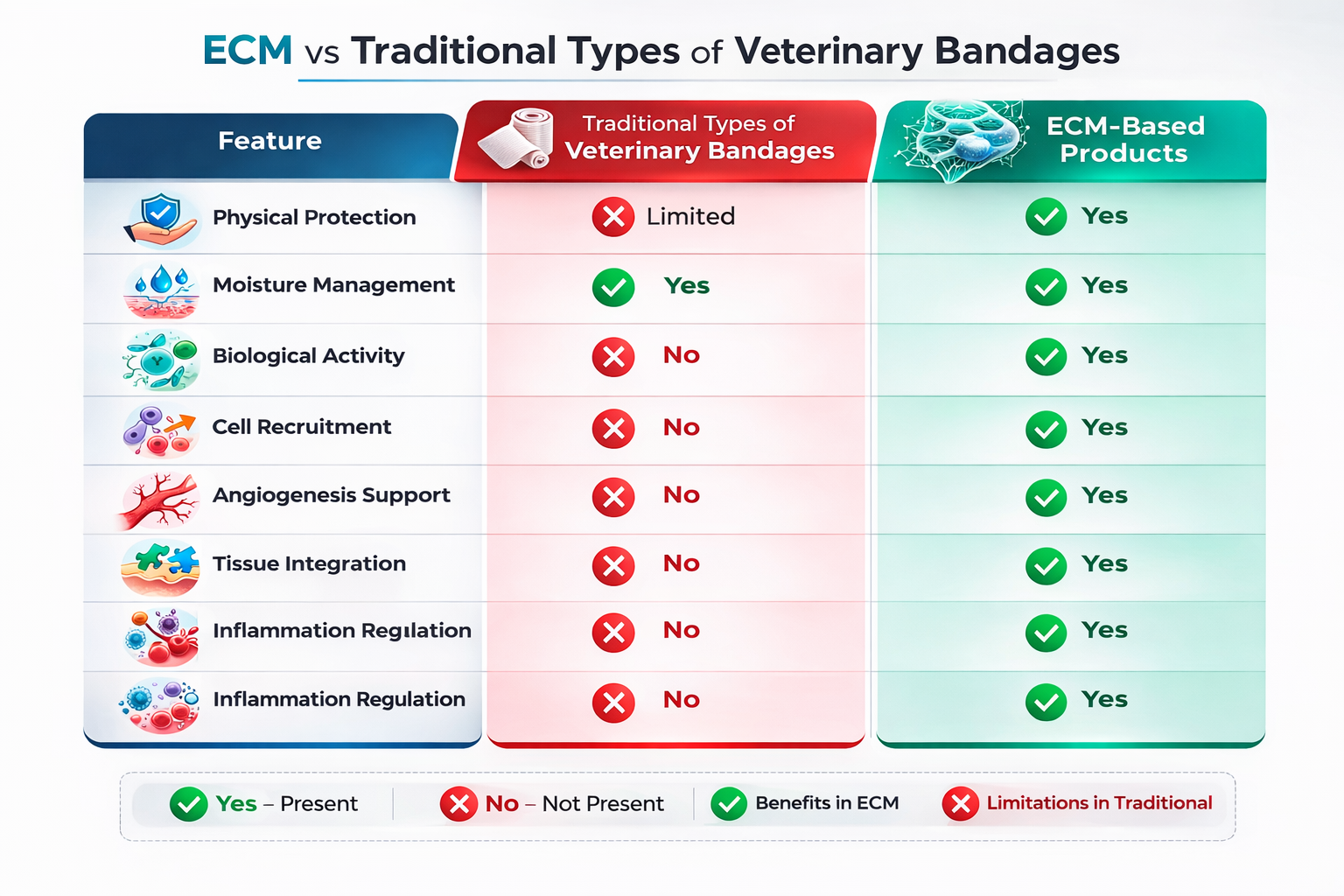
This overview illustrates how products which are based on ECM alter the possibilities of modern types of veterinary bandages.
Clinical Applications Where ECM Bandages Excel
ECM products are especially beneficial for:
- Chronic and Non-Healing Wounds: ECM scaffolds can facilitate the reprogramming of stalled healing by resetting the wound environment.
- Traumatic Soft Tissue Injuries: For more severe lacerations and avulsions, ECM may have the capacity to direct the organized healing of tissue.
- Burns and Full Thickness Wounds: ECM helps regenerate when normal types of veterinary bandages might merely protect.
- Surgical and Post-Operative Wounds: Integration of ECM can mitigate scar formation and enhance functional recovery.
Practical Considerations for Veterinary Use
Although ECM based products are more advanced than traditional types of veterinary bandages, vets should be wary of:
- Higher upfront cost
- Appropriate Assessment and Case Selection
- Storage and handling requirements
But shorter healing times, reduced complications and better results typically outweigh these concerns.
The Future of Types of Veterinary Bandages
ECM technology is still evolving and further development is available. Emerging developments include:
- ECM combined with antimicrobial agents
- ECM hydrogels have been prepared both in injectable and in situ forming form.
- Tissue specific composite ECM scaffolds
These developments indicate that products utilizing ECMs will play a significant role in the future of veterinary wound care.
Conclusion
Older types of veterinary bandages are still used for protection, compression and stabilization. However, they are poorly effective in modulating biological healing mechanisms.
We are in a new era of wound management in veterinary medicine with the advent of ECM based products. Through the shaping of cellular behavior, aid to tissue regeneration and influence on inflammatory processes, ECM technology advances veterinary bandaging beyond mere protection to deliver regenerative medicine.
Based on sound scientific evidence, ECM based bandages are revolutionizing high quality wound management for difficult to deal with wounds in the veterinary profession.


More from KessGen Insights.
.webp)


.webp)
To unlock the full power of the ECM and pioneer a new era of regeneration.


.webp)
.png)
.webp)

.png)