
Veterinary ECM Applications in Hoof, Paw Pad, and Pressure-Bearing Wounds
Discover how veterinary ECM applications support regenerative healing in hoof, paw pad, and pressure-bearing wounds.

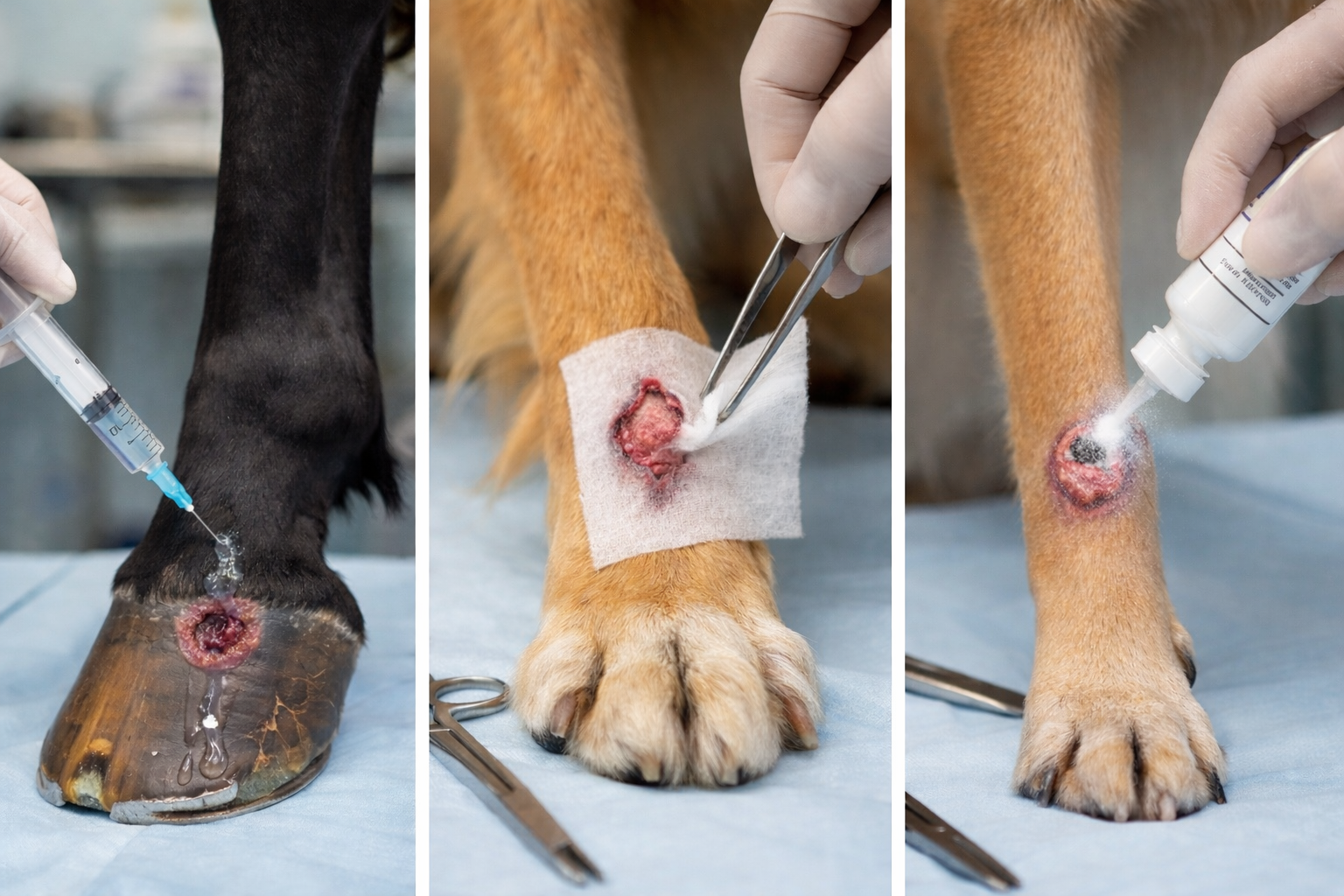
Chronic, pressure-afflicted wounds remain one of the most enduring challenges in veterinary medicine. Trauma to hooves, paw pads, and load-bearing regions is chronically exposed to motion, moisture, abrasion, and mechanical insult. In the areas mentioned, traditional wound care commonly fails to accomplish lasting healing.
Consequently, ECM applications are being recognized as an advanced concept that promotes regenerative healing as opposed to mere wound closure. ECM based therapeutics seek to reestablish the native environment of injured tissue.
In veterinary medicine, ECM applications are being increasingly used to optimize the healing of challenging wounds that would not respond favorably to traditional bandaging or topicals.
Understanding ECM and Its Role in Healing
The ECM is a highly organized tissue component consisting of structural proteins, glycoproteins and soluble signaling factors which provide cells with both mechanical support and biological information.
ECM directs inflammation, angiogenesis, and tissue remodeling during the process of normal healing. In situations in which the ECM is injured or missing, healing typically leads to fibrosis or sub functional restoration.
Modern ECM applications employ decellularized biological scaffolds from tissues such as porcine small intestinal submucosa, urinary bladder matrix, dermis and placental tissue. These scaffolds retain the native architecture of collagen and bioactive molecules which could direct the migration of cells and tissue regeneration.
Why Do Pressure Bearing Wounds Need ECM Applications?
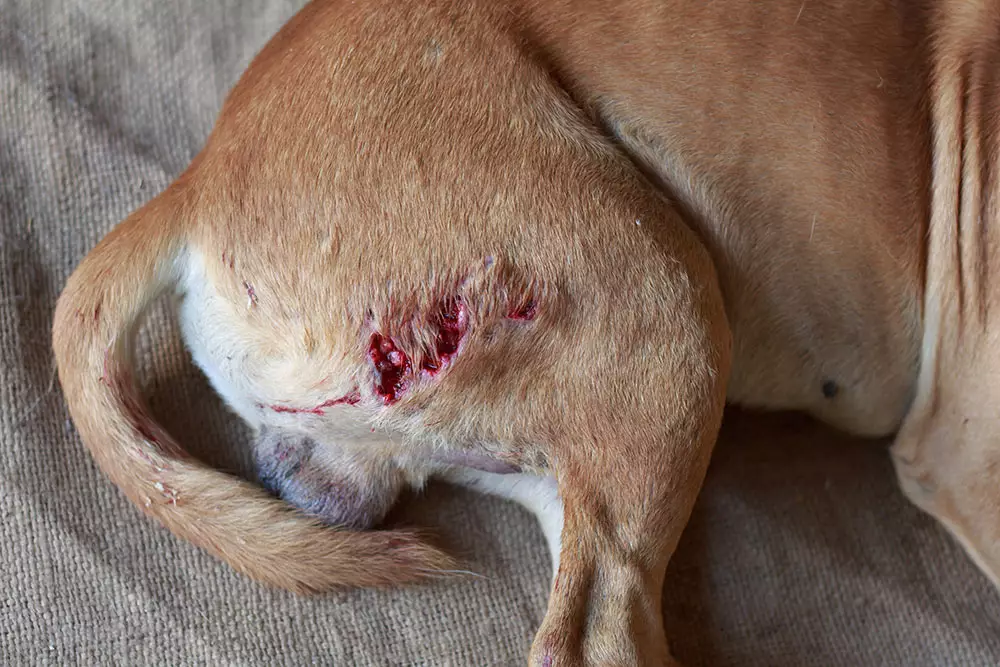
Pressure sores do not heal in the same way as surface wounds. In hooves and paw pads, the tissue is continually loaded and exposed to shearing forces. Poor blood supply and the repeated trauma slow healing and elevates the chance of infection as well.
ECM Applications are perfect in this environment because they:
● Serve as a temporary support for new tissue formation
● Induce angiogenesis in ischemic regions
● Regulate inflammation
● Stimulate well organized tissue remodeling rather than stiff scar tissue
These advantages make ECM based therapies ideally suited for wounds that need to recover strength and also flexibility.
Types of ECM Applications Used in Veterinary Medicine
There are several formats of ECM available for the veterinary clinician based on wound type and location:
ECM Sheets and Membranes
They are frequently used in hoof wall defects and flat pressure wounds. ECM applications provide structural support and can be sutured or bandaged directly to tissue.
ECM Hydrogels
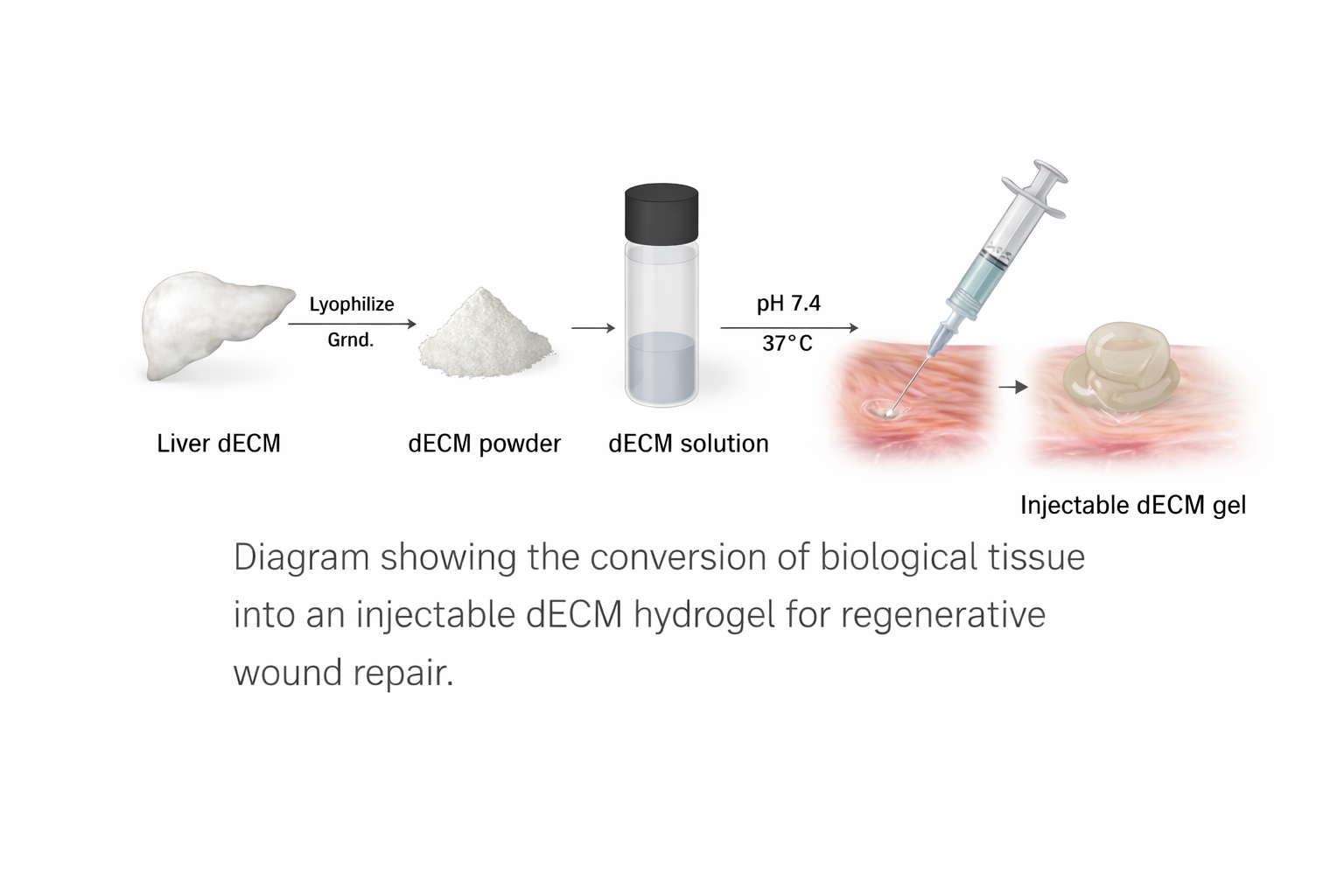
Hydrogels are great for irregular paw pad wounds and defects. They are injectable or spreadable ECM applications that closely conform to the wound bed providing consistent cover.
ECM Powders and Particulates
Powdered ECM has been beneficial for deep tracts or irregular wounds. This type of ECM applications promotes the formation of granulation tissue at the bottom of the wound.
Composite ECM Dressings
Some of the more sophisticated application systems combine ECM with antibacterials or adhesives to increase effectiveness in contaminated and high motion sites.
Clinical Evidence Supporting ECM Applications
Numerous studies describe veterinary and translational applications of ECM. Studies in animals have demonstrated that ECM dressings result in accelerated epithelialization and superior tissue maturation over standard wound care.
A controlled veterinary trial in the American Journal of Veterinary Research showed significantly faster rates of healing in ECM treated wounds at 14 and 28 days. Histological analysis revealed enhanced collagen orientation and vascularization in ECM-treated tissues.
This is supported by the systematic review of regenerative medicine literature that also found that ECM applications decrease healing time and enhance tissue quality in multiple species.
ECM Applications in Equine Hoof Wounds
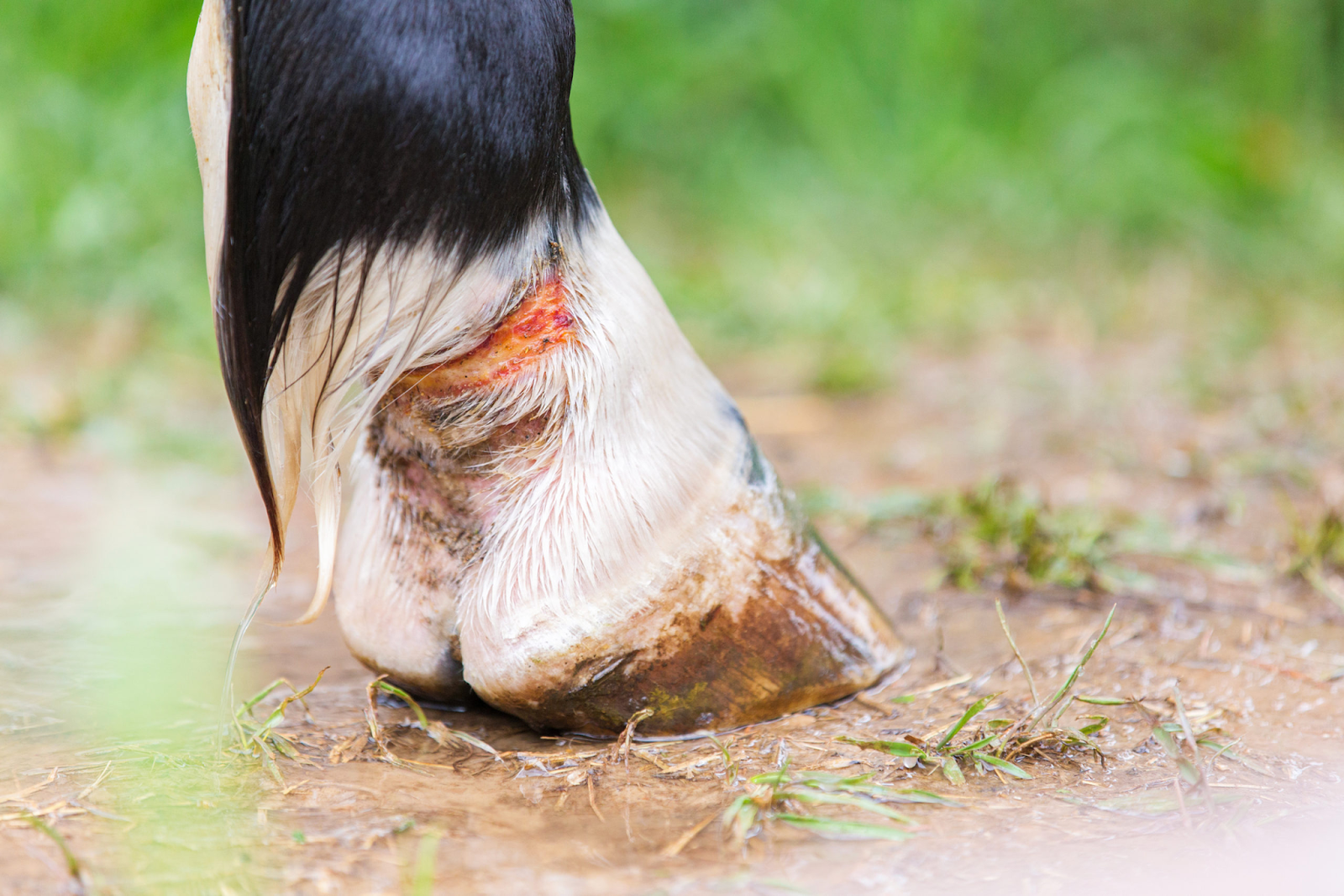
Horse hoof injuries are particularly problematic because of ongoing weight bearing and scant soft tissue envelope. ECM sheets or particulate ECM applications may be inserted into the defect after abscess evacuation, trauma, or surgical debridement.
In combination with protective shoeing or off-loading techniques, ECM scaffolds stimulate granulation tissue and facilitate regeneration of the dermal-epidermal junction. This leads to an increase in horn formation and better healing with fewer long-term complications.
ECM Applications in Paw Pad Injuries
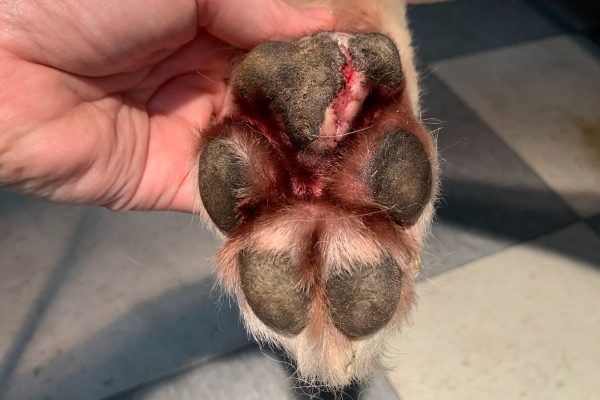
Paw pad wounds in dogs and cats are difficult to heal because they're subject to so much motion and environmental exposure. Gel or particulate form ECM applications are particularly desirable for such injuries.
Through its support of granulation and epithelial migration, ECM therapy aids in the reconstitution of a thick keratinized structure over the paw pad. Protective bandages or boots may be advised in early healing stages for ECM integration.
ECM Applications in Pressure Ulcers and Weight-Bearing Sites
Recurrent trauma predisposes to chronicity of pressure sores in the elbow, hock or ischial region. ECM applications may serve as adjunct therapy to encourage healing in these wounds.
ECM dressings or powders in layers also promote vascular ingrowth and tissue replacement, while optimized for pressure relief, better nutrition and infection control.
Best Practices for Using ECM Applications
For best practices, veterinarians should consider the following guidelines when applying ECM Applications:
● Complete debridement and infection of the wound
● choice of the right format for type of wound.
● Sufficient stability and protection against mechanical stress
● Periodic re-evaluation and gradual reapplication as necessary
ECM is best thought of as a component of wound therapy rather than a wound cure.
Limitations of ECM Applications
However, ECM applications have their shortcomings. They can break down if sited in heavily contaminated wounds or where there is inadequate mechanical protection. Other factors are costs and a wide variety of products, which stresses the importance of correct case selection.
FAQs
Q: Will ECM heal an infected hoof or paw pad?
A: ECM should be utilized after infection is being brought under control. Debride and treat infected wounds with antibiotics before scaffold placement.
Q: How frequently does ECM have to be reapplied?
A: Depends somewhat on product and wound response; many clinicians reevaluate at 7-14 days and may reapply if granulation or coverage is insufficient.
Q: Are there any species specific concerns?
A: Immunologic responses to xenogeneic ECM are uncommon if decellularization is sufficient, however product type (porcine vs bovine vs human-derived) and processing make a difference. Use products with validated decellularization.
Final Thoughts
As the science of veterinary wound care advances, ECM applications are increasingly recognized as valuable tools in the treatment of difficult hoof, paw pad, and pressure-bearing wounds. Rather than simply closing wounds, ECM-based therapies help establish a biologically active healing environment that supports the formation of more normal, mature tissue instead of rigid scar.
When used correctly, ECM applications can accelerate healing, improve tissue quality, and enhance functional outcomes. As such, they represent an important and evolving component of modern veterinary regenerative medicine.


More from KessGen Insights.

.webp)

.webp)
To unlock the full power of the ECM and pioneer a new era of regeneration.


.webp)
.png)
.webp)

.png)