
How Disruptions in Wound Healing Lead to Chronic Wounds in Pets
Explore how disruptions in wound healing stages lead to chronic wounds in pets and how ECM-based therapies support tissue repair and recovery

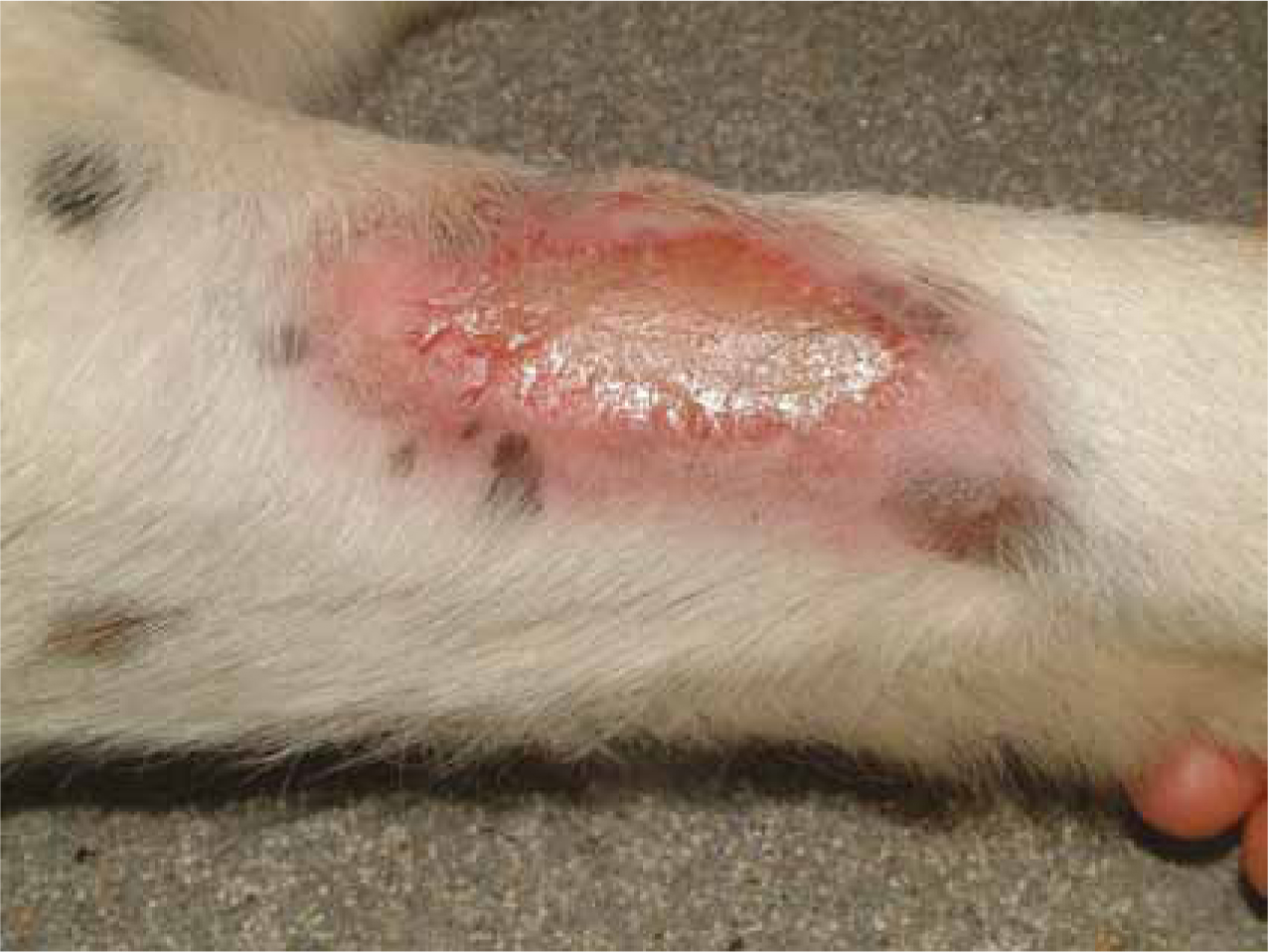
Understanding Stages of Wound Healing Veterinary
Wound healing in animals is a fundamental biological process that restores tissue integrity after injury. In veterinary medicine, a clear understanding of the stages of wound healing is essential for effective treatment and for preventing complications such as chronic, non-healing wounds. When wounds fail to progress through these stages properly, they can become persistently infected, painful, and difficult to manage in companion animals.
The wound-healing process is a highly coordinated cascade involving cellular activity, immune responses, and tissue remodeling. Each stage is tightly regulated, and disruption at any point can impair healing and lead to chronic wounds. This article explores how failures at different stages of the veterinary wound-healing process contribute to chronic wound development, highlights the importance of maintaining extracellular matrix (ECM) homeostasis, and discusses emerging strategies from recent research that may improve healing outcomes.
The Normal Stages of Wound Healing Veterinary
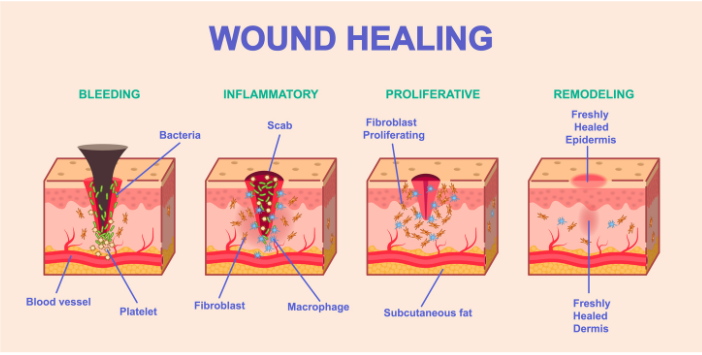
Wound healing in veterinary species typically occurs by a series of overlapping phases. These stages of wound healing veterinary are the same to those of humans, although timing and cellular activity can differ depending on species, wound type and state of health.
The following has been reported in veterinary references:
Hemostasis (Clotting): After an injury, blood vessels constrict as they attempt to stop the bleeding that will cause a clot. A provisional matrix is laid down that becomes a scaffold for the ingrowing cells.
Inflammation: Neutrophils and macrophages of the immune system destroy bacteria and debris. This preparatory phase is reparative but can be damaging if protracted.
Proliferative stage (Granulation and Re epithelialization): Granulation tissue including fibroblasts as well as endotheliocytes forms while new capillaries sprout out. ECM proteins such as collagen are also deposited to repair tissue.
Remodeling (Maturation): Collagen re-forms while the wound contracts and strengthens.
The Role of ECM in Healing and Why It Matters?
The ECM is the complex protein network, principally collagen, elastin and fibronectin, which provides structural support to tissues. In wound healing, the ECM:
- Acts as a scaffold for cell migration.
- Controls cell function by biochemical signaling.
- Aids in controlling inflammation and the formation of new tissue.
Studies suggest that ECM does much more than simply provide passive support; it actively “talks” to cells as they heal and can influence outcomes.
When ECM functioning is disturbed, as in the case of infection, hypoxia, excess inflammation or underlying diseases, wounds have been shown to fail normal stages of wound healing veterinary and eventually become chronic lesions.
Of note, many veterinary wound care therapies seek to augment or replace the ECM scaffold to approximate native tissue and promote healing.
How Disruptions in Healing Lead to Chronic Wounds?
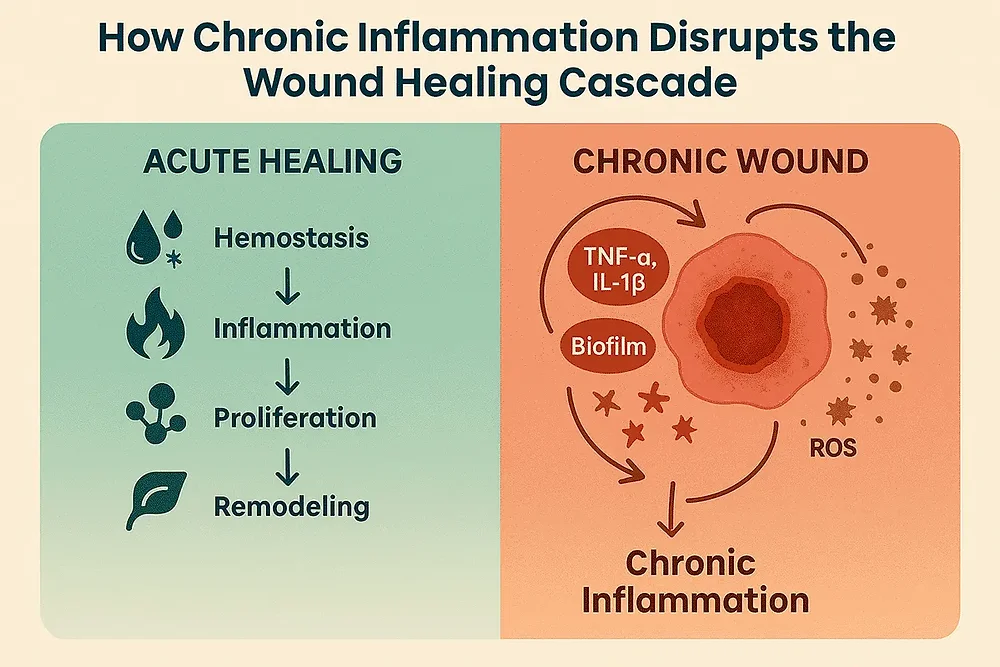
The term "chronic wounds" is used to describe nonhealing wounds that fail to progress through the healing phases in a timely and organized manner. Chronic wounds in animals become “stuck” at the inflammatory stage and do not continue to proliferation and remodeling.
Common Disruptors in Veterinary Patients
- Persistent Inflammation: Sustained inflammation degrades ECM and inhibits tissue recovery. Hyperactive proteases degrade collagen and other ECM protein faster than it is synthesized.
- Infection and Contamination: Bacterial colonization provokes persistent immune responses and locally produced ROS, causing additional harm to newly formed ECM scaffolds and decreasing the migration of cells.
- Systemic Illnesses: Diabetes, Cushing’s disease or hormone disturbances can damage the vascular supply, slow down your immune responses and interfere with collagen production.
- Poor Nutrition or Immune Deficiencies: Substrates for collagen synthesis and ECM formation may be insufficient in malnourished animals.
- Physical Factors: Also, if a wound is under tension, mechanical movement or repetitive trauma, it will heal more slowly and have an increased tendency to failure.
In the presence of any of these disturbances, the wound cannot pass from edematous inflammation to proliferation phase and stages of wound healing veterinary become disconnected. This frequently presents as chronic ulcer with failure of the wound to heal, constant opening and bloating of the wound bed, lack of granulation tissue and non-closure of ulcers.
ECM Based Strategies to Support Healing
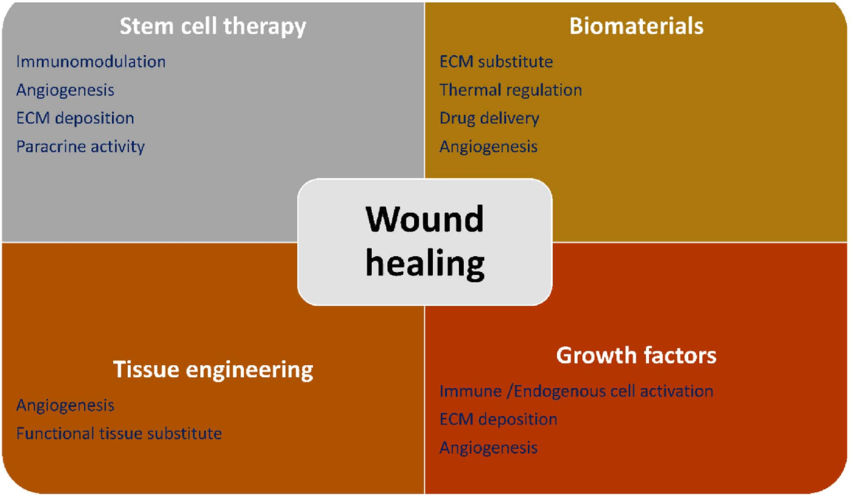
Considering the pivotal role of ECM in governing tissue regeneration, preserving integrity of ECM is a potential strategy for improving wound healing and preventing generation of chronic wounds in companion animals.
1. ECM Derived Dressings
A new ECM dressing was reported to result in significantly more rapid epithelialization of full thickness wound in dogs as compared with a conventional alternative treatment. The healing time and the histologic repair score of dogs in the ECM group were both significantly better.
2. Biomaterials That Mimic ECM Architecture
In animal models such as the porcine model, dermal substitutes based on collagen/elastin have shown that inclusion of a biodegradable scaffold can direct cell ingrowth, angiogenesis and enhanced granulation, compared to using split-skin grafts alone.
3. Stem Cell Therapies
Mesenchymal stem cells (MSCs) enhance fibroblast activity, collagen deposition and vascularization, all are elements of ECM remodeling and hence aiding wounds to move through the stages of wound healing veterinary,
4. Biomimetic Scaffolds and Hydrogels
Hydrogel dressings that create an ECM like environment can absorb exudate and promote cell proliferation and angiogenesis.
Clinical Implications in Veterinary Practice
Understanding the stages of wound healing veterinary is crucial:
- Objectify wound assessment: Understanding if a wound is in inflammation, proliferation or remodeling is essential in treatment.
- Targeted interventions: Therapies that are active in ECM and cell migration may be required as a strategy for treatment of chronic wounds rather than just providing an isolated wound dressing.
- Avoiding complications: Being alerted that the healing is stalled early allows physicians to implement progressive care more quickly.
Structured approaches e.g. TIME (Tissue, Infection/Inflammation, Moisture, Edge) are commonly used by veterinary practitioners to assess wounds in a methodical way so that interventions can be targeted towards aiding the progression of wounds through appropriate healing phases.
Future Directions in Veterinary Wound Care
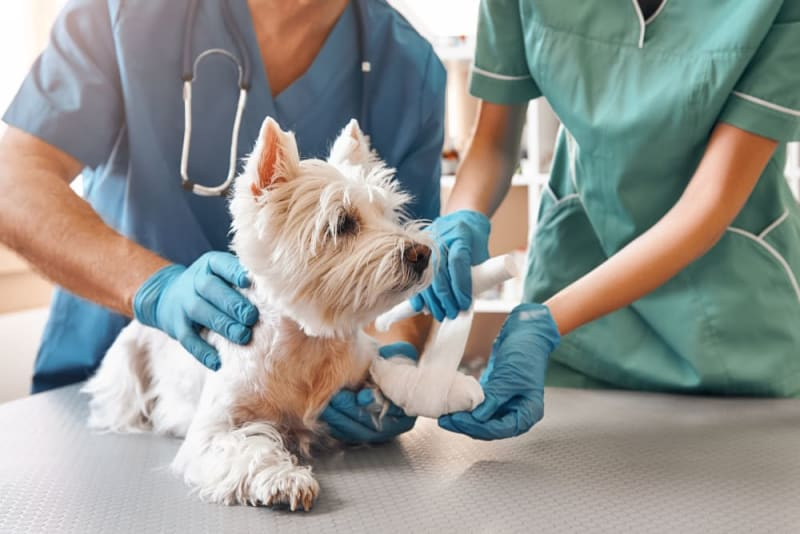
Current veterinary research is directed towards the following issues:
- Biomimetic ECMs for animal species specific customization.
- Intelligent wound dressings which have the capability to detect the progress of healing and modify bioactive factor delivery.
Conclusion
The process of wound healing veterinary is a sensitive biological order that must be followed step by step in order for pets to heal up from injuries. Affecting these stages, whether by infections, inflammation system disease or inadequate ECM support, can interrupt this sequence and result in chronic wounds.
Having insight into the important roles of ECM in cellular signaling, structural support, and tissue healing may help veterinary professionals and owners with wound management.
Recent advances in ECM based therapies, regenerative medicine and biomaterials show the potential to put chronically wounded patients back on a normal healing trajectory.


More from KessGen Insights.
.webp)


.webp)
To unlock the full power of the ECM and pioneer a new era of regeneration.


.webp)
.png)
.webp)

.png)