Moist Wound Environment Science in Vet Wound Care vs. Traditional Dry Bandage Methods
Find out how moist wound healing supports recovery in Vet Wound Care as opposed to dry bandages of olden days with accelerated healing, comfort and literally no complications.


There have been many advances in veterinary medicine over the past twenty years, but one of the most significant is the shift from conventional dry bandaging to moist wound healing. Veterinarians now use moist wound healing techniques across species, dogs, cats, horses, exotic animals, and birds, due to strong evidence supporting faster healing, improved comfort, and better overall outcomes.
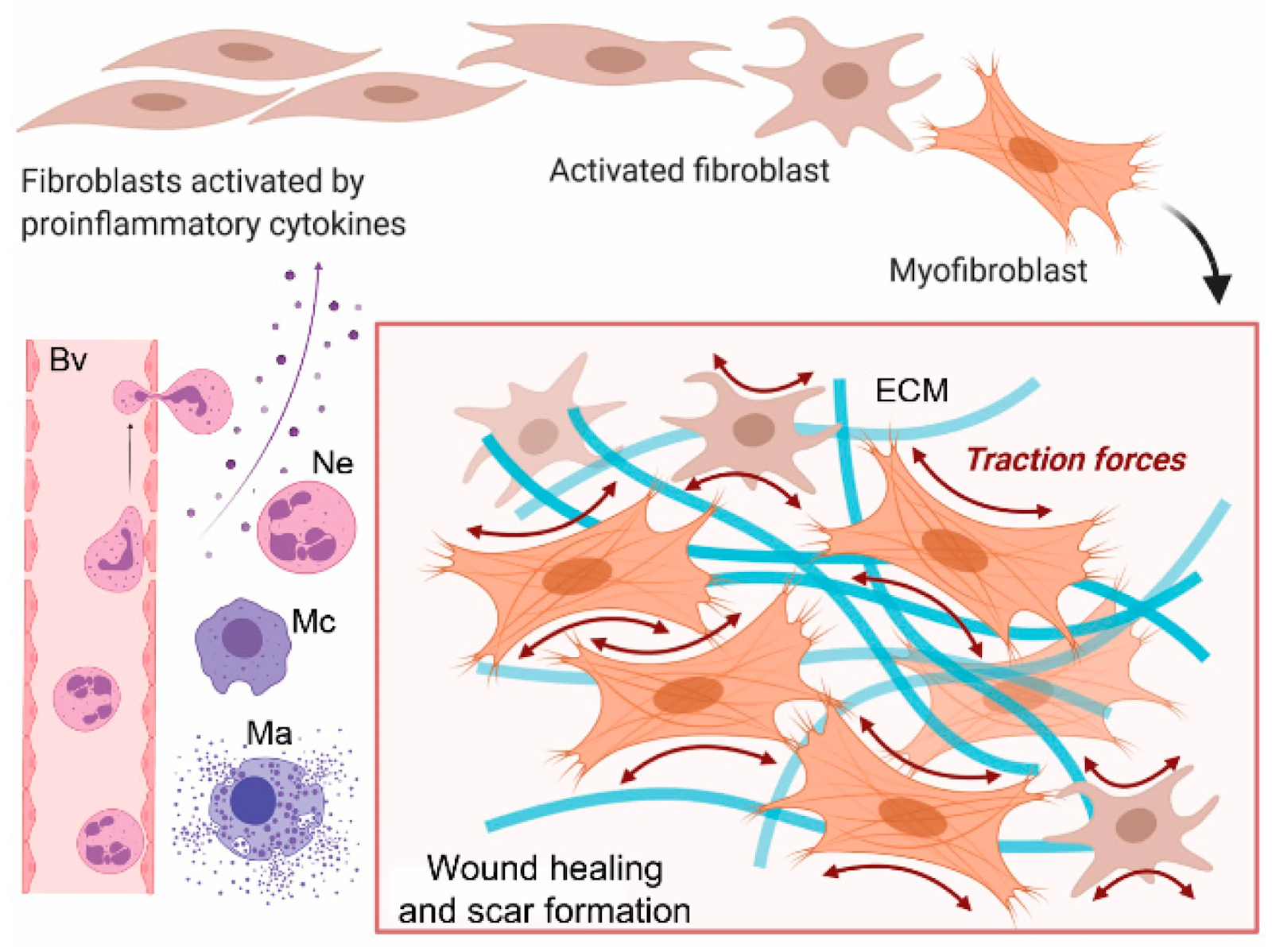
More recently, modern biological materials, especially Extracellular Matrix (ECM) bio scaffolds, have strengthened this shift. ECM dressings deliver both structural support and biochemical signals that guide natural tissue repair, making them one of the most exciting developments in veterinary wound treatment.
This article explains the science behind moist wound environments, compares them with outdated dry methods, and shows why moist healing is becoming the gold standard in Vet Wound Care.
Understanding Why Wound Environment Matters
Wound healing is a biological process involving inflammation, tissue formation, and remodeling. The environment around the wound significantly affects how quickly and effectively the tissuerepairs.
The belief that wounds should “air out "and dry is outdated in both human and veterinary medicine. Historically, dry bandages were used to absorb moisture and encourage scab formation under the assumption that “dry equals safe.”
Modern research reveals the opposite:
wounds heal faster, with fewer complications, when kept moist and protected.
This shift has greatly improved outcomes in veterinary medicine, especially for surgical wounds, traumatic injuries, burns, and chronic non-healing wounds.
The Science Behind Moist Wound Healing in Vet Wound Care
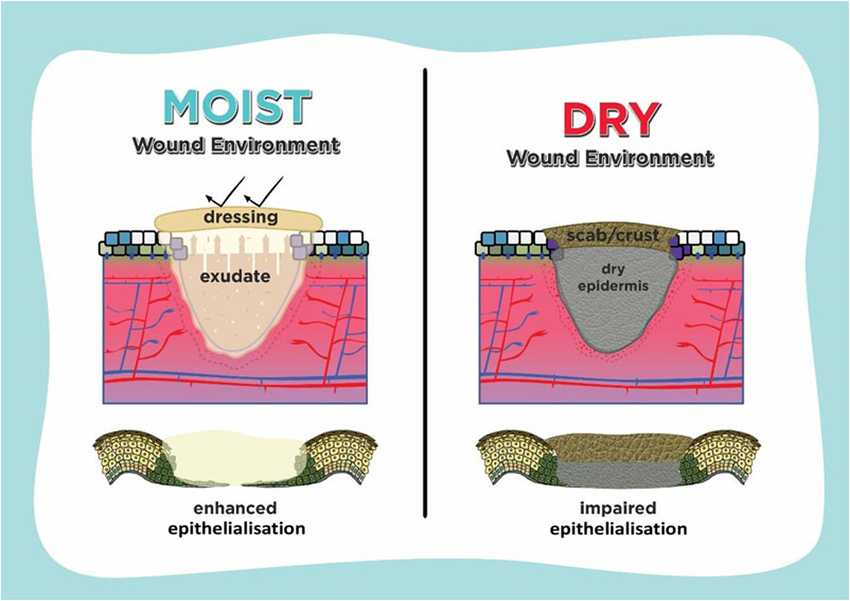
Wet wound healing was a term that evolved during the 1960s after scientists first learned that epithelialization, or migration of skin cells over a wounded area, proceeded more rapidly in a moist environment. This principle is the cornerstone of modern Vet Wound Care.
Further study shows, Wounds heal faster in a moist environment. The moist wound environment facilitates autolytic debridement, reduces pain, reduces scarring, activates collagen synthesis, facilitates and promotes keratinocyte migration over the wound surface, and supports the presence and function of nutrients, growth factors, and other soluble mediators in the wound microenvironment.
1. Enhanced Migration and Accelerated Wound Healing
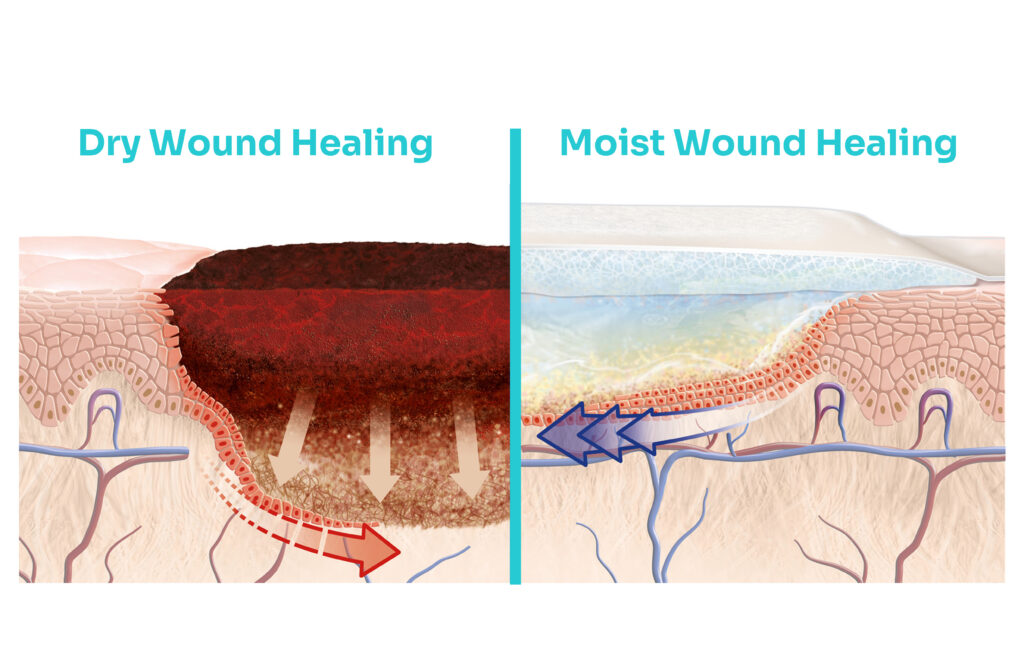
Skin cells move far more efficiently across a moist wound surface than a dry one.
A dry wound loses moisture, forming a hard scab that blocks epithelial cells from migrating, thereby slowing healing.
In contrast, a moist wound bed:
- keeps cells viable
- allows keratinocytes to glide easily
- encourages rapid tissue reconstruction
This is especially beneficial in species like dogs, cats, and horses, where preventing tissue contamination or irritation is critical.
2. Reduced Pain and Discomfort
Moist dressings protect exposed nerve endings, significantly reducing pain.
Dry gauze often adheres to newly formed tissue, and removing it can tear healing skin, something particularly concerning in animals who cannot describe their pain.
Moist dressings do not stick, making dressing changes gentler and less traumatic.
3. Lower Risk of Infection
A moist, sealed environment:
- provides a protective barrier
- limits exposure to bacteria
- prevents licking, chewing, and dirt contamination
- supports normal immune cell activity within the wound
Considering that animals frequently scratch or disturb wounds, maintaining this barrier is critical.
4. Improved Oxygenation and Nutrient Flow
Modern moist dressings are semi-permeable—they allow controlled oxygen exchange while keeping pathogens out.
Oxygen is essential for:
- fibroblast activity
- collagen production
- new blood vessel formation (angiogenesis)
5. Promotion of Autolytic Debridement
Moist wound conditions naturally soften and break down necrotic tissue.
This reduces the need for painful mechanical debridement and is especially helpful for chronic, contaminated, or necrotic wounds.
Traditional Dry Bandage Methods in Vet Wound Care: The Old Approach
Traditional dry bandaging involves using materials like cotton gauze, adhesive tapes, and absorbent pads to soak up wound fluid. While this method was once the standard in Vet Wound Care,its limitations have become more evident.
1. Slower Healing Due to Scab Formation
Dry bandages encourage scab development by removing moisture from the wound. Although scabs were once thought protective, they actually hinder cell migration and slow healing considerably.
2. Greater Pain and Trauma During Dressing Changes
Dry bandages often stick to the wound surface. Removing them can:
- rip off delicate new tissue
- reopen wounds
- cause significant discomfort
This is a major concern in Vet Wound Care, as animals often require sedation or restraint when dressings cause pain.
3. Higher Risk of Tissue Dehydration
Excessive dryness leads to:
- brittle tissue
- cracking
- impaired blood flow
- delayed healing
For species like horses, where limb wounds already heal slowly, dehydration can significantly extend recovery time.
4. Limited Protection Against Contamination
Dry gauze is porous and can allow debris and microorganisms to pass through, particularly when used on active pets who spend time outdoors.
5. Frequent Bandage Changes
Because dry materials absorb exudate quickly, they require frequent changing. This:
- increases handling stress
- raises costs for pet owners
- creates more discomfort for the animal
Moist Wound Healing vs. Dry Bandages: A Scientific Comparison
Below is a direct comparison of the two methods as used in modern Vet Wound Care.
This comparison highlights why moist wound healing is rapidly becoming the preferred approach in Vet Wound Care. This study also shows, The beneficial effects of a moist versus a dry wound environment include: prevention of tissue dehydration and cell death, accelerated angiogenesis, increased breakdown of dead tissue and fibrin, i.e.,pericapillary fibrin cuffs, and potentiating the interaction of growth factors with their target cells.
Types of Moist Wound Dressings Used in Vet Wound Care
There are many of advanced dressings which can be used for adequate moist wound healing:
1. Hydrocolloids
These dressings soak up drainage and coagulate to maintain a moist environment at the wound site. They are suitable for shallow wounds and partial-thickness injuries.
2. Hydrogels
Hydrogel dressings are mainly comprised of water, and it provides moisture to dry wound, which helps in autolyticdebridement. Beneficial for necrotic or infected wounds in Vet Wound Care.
3. Foam Dressings
Very absorbent but moist-retentive, foam dressings are ideal for moderate to heavy exuding wounds, such as those incurred from trauma in dogs and horses.
4. Alginate Dressings
Alginates, seaweed based, create a loose gel when exudate is absorbed. They are ideal for deep wounds or heavy drainage.
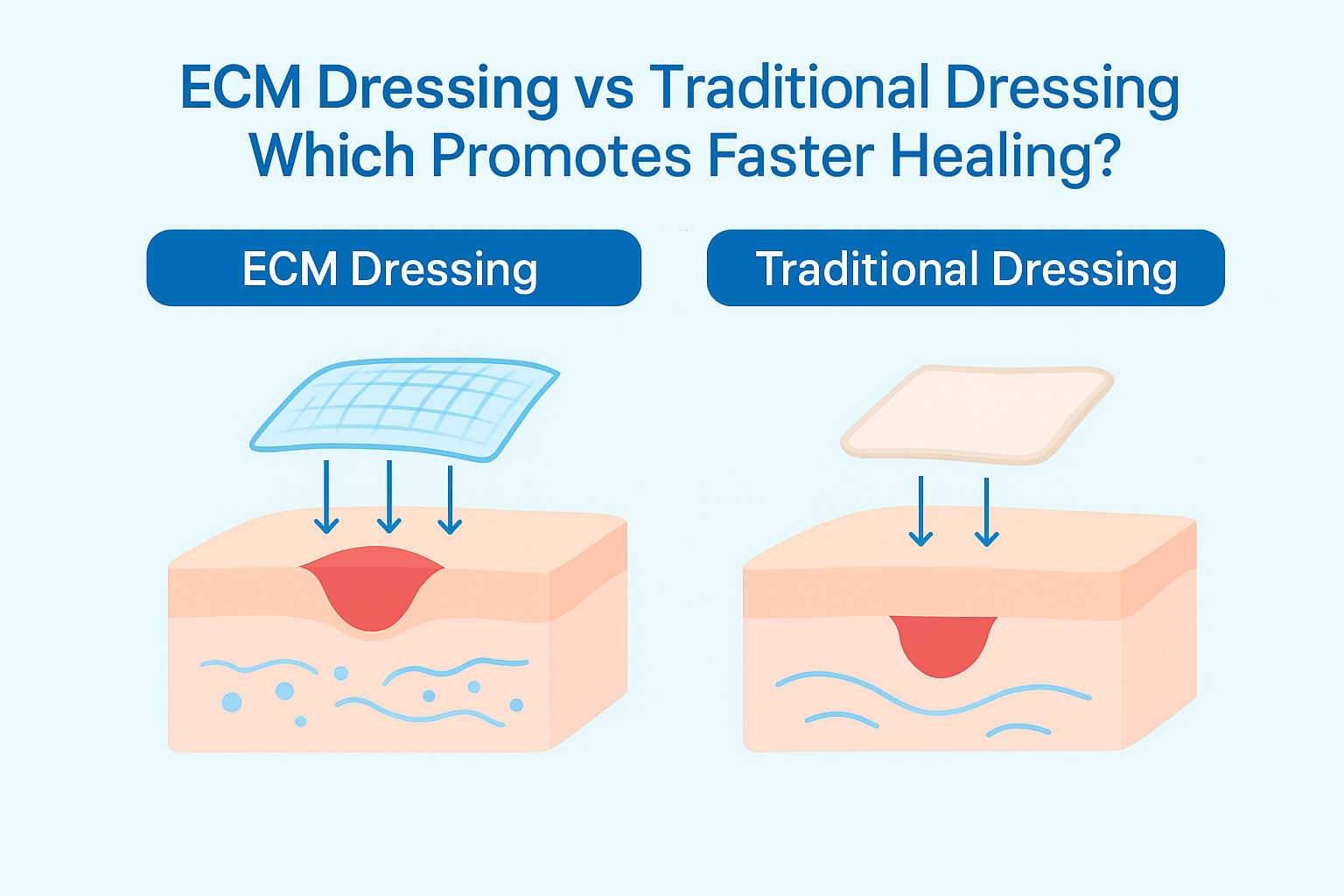
5. ECM (Extracellular Matrix) Bio scaffolds
Commonly used in the treatment of advanced Vet Wound Care, ECM dressings contribute to tissue regeneration by providing a biologic scaffold upon which new cells can grow.
Each of these pads aid in maintaining a moist environment, help prevent contamination and promote healing.
Benefits of Moist Wound Healing in Everyday Vet Practice
1. The Quicker An Injury or Medical Condition Heals = Less Veterinary Bills
The faster a wound heals, the fewer appointments, medications and bandage changes that are required.
2. Better Animal Comfort and Welfare
Less pain, lower frequency of dressing changes and less damage of surrounding tissues positively argue for higher animal welfare standards in Vet Wound Care.
3. Lower Risk of Complications
Wet wound healing decreases the chances of:
- infection
- wound reopening
- chronic non-healing ulcers
4. Improved Cosmetic and Functional Results
Dressings for moist wounds also have an advantage that can be used to observe scarring which is important under the show animal, performance horse and pets with a sensitive face or limb (Muirhead2006).
ECM Maintains an Ideal Moisture Balance
ECM-based dressings naturally:
- absorb excess exudate
- maintain hydration
- prevent maceration
- maintain the wound moisture balance perfectly
This makes them ideal for wounds in veterinary practice which range from wet, dirty to drier surgical closures.
Why the Transition from Dry to Moist Wound Care Took Time
Although there was good evidence for the change, the transition in Vet Wound Care did not occur immediately because:
- traditional methods were deeply ingrained
- moist dressings were initially more expensive
- early versions were less advanced
- some veterinarians resisted adopting new methods
Furthermore, some veterinarians have been relatively slow in adopting new protocols, particularly prior to the development of current generation ECM-based biomaterials which significantly accelerated the rate of moist wound care advances. As the faster healing, fewer complications and better tissue emerged with ECM dressings, they assisted to drive acceptance of moist wound management.
Frequently Asked Question
1. Is It Better to Keep a Wound Moist or Dry?
More moist is better, because moisture accelerates healing and eases pain, cuts the risk of infection.
2. Should Dressing Be Moist or Dry?
In general dressings should be moist, not dry in order to facilitate more expeditious and healthful healing of the wound.
3. Why Are Wet to Dry Dressings Not Recommended?
Wet-to-dry dressings should not be done, as they can adhere to tissue (and are painful to remove)and damage new cells that attempt to proliferate.
4. Which Type of Dressing Is Used to Maintain a Moist Environment for Wound Healing?
Hydrogels, hydrocolloids, foams, alginates and ECM dressings are some of the dressings that keep wound moist for better recovery.
5. What are the traditional and modern wound dressings?
- Conventional dressings: dry gauze, cotton wool, wet-to-dry bandage
- Contemporary dressings: hydrogels, hydrocolloids, foams, alginates, ECM bio scaffolds
Conclusion:
The shift from dry bandages to scientifically supported moist wound healing represents one of the most important advancements in Vet Wound Care. Moist wound environments promote faster healing, reduce pain, prevent infection, and support better long-term outcomes.
Modern biological materials, especially ECM bio scaffolds, elevate this approach further by providing active support for tissue regeneration.
Moist wound healing is not a trend.
It is evidence-based, clinically proven, and now central to modern veterinary medicine.
Both veterinarians and pet owners benefit greatly from understanding and using this advanced method of wound care.


More from KessGen Insights.
.webp)

.webp)
To unlock the full power of the ECM and pioneer a new era of regeneration.


.webp)
.png)
.webp)

.png)